

Inform yourself
Find out about topics relating to your health, such as medical screenings, the dangers of abdominal fat, mental health or health insurance contributions towards glasses and contact lenses.
Health insurance knowledge base
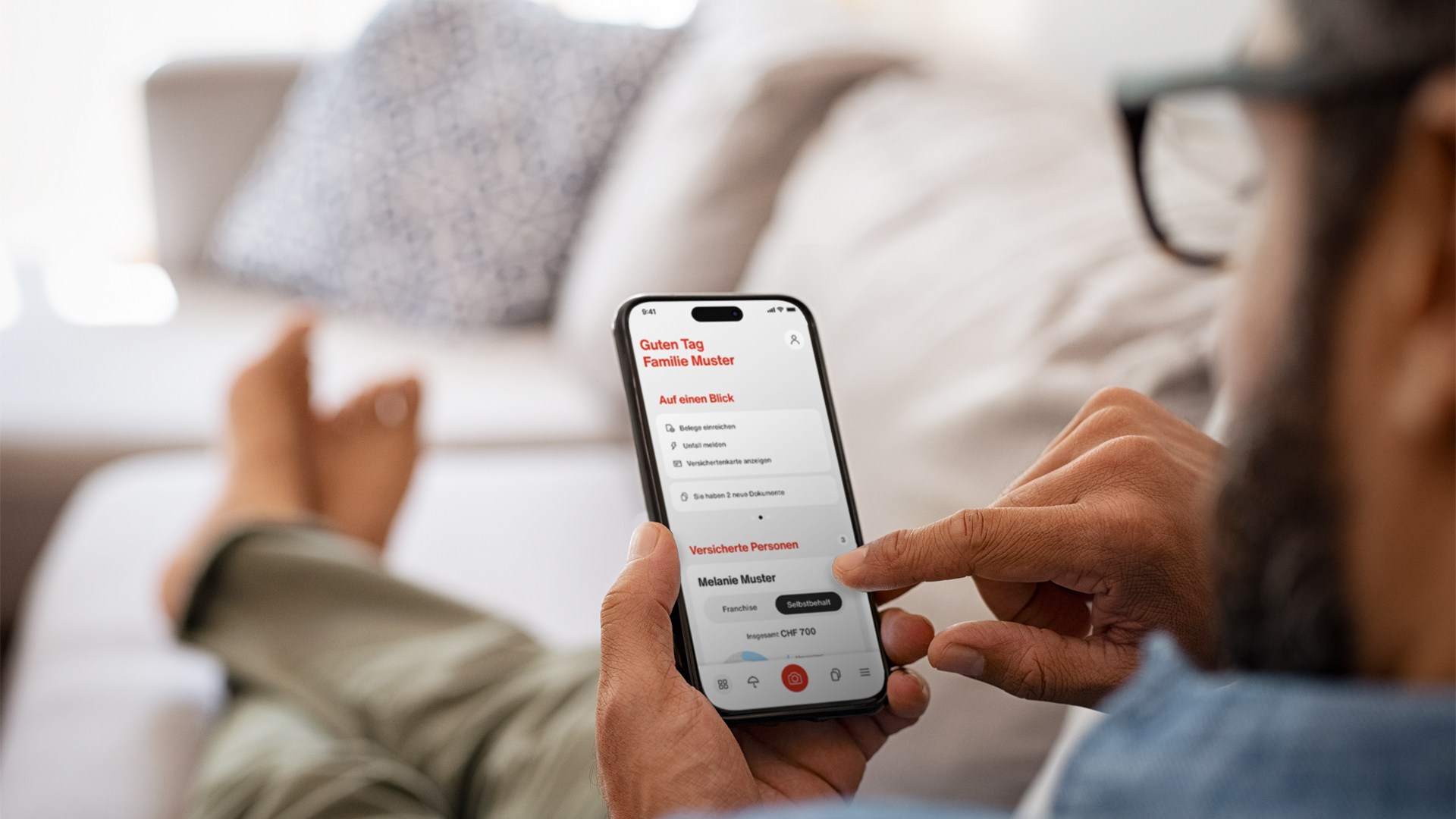
Digital health insurance model and digital solutions from KPT
Many health-related matters can now be managed easily online. With the digital health insurance model, the KPT app, the customer portal and the DoctorChat service, KPT offers simple digital solutions for many needs. And if you still require further assistance, you can quickly find the right medical or personalised advice.

The advantages of private hospital insurance
“Are you privately insured?” In many countries, private medical insurance is used to skip the public healthcare system. In Switzerland, however, this question mainly refers to the level of insurance cover provided during an inpatient hospital stay. For example, it determines whether you are entitled to a single room or have a free choice of doctor. When is private hospital insurance worthwhile and who benefits most?

Take out supplementary insurance: what to bear in mind
Supplementary insurance closes vital gaps in your basic health cover, offering you greater peace of mind and enhanced benefits, such as contributions towards prescription glasses, dental treatments and more. Read on to discover what to bear in mind when taking out supplementary health insurance.

Gain peace of mind with a medical second opinion
Are you seeking a medical second opinion in Switzerland? This can be worthwhile before a scheduled operation, for example. Or if you have doubts about a diagnosis or therapy. Read on to find out how to go about this and how the BetterDoc service can help.

Save time with the user-friendly online symptom checker
Dry cough, or is it pneumonia? With the Well app, you can simply check your symptoms online and immediately receive a medical assessment based on the information provided. You can then follow the recommendations or contact your GP if necessary. It is so convenient – the Well app and symptom checker form part of the digital basic health insurance model, KPTwin.smart, meaning you can manage your health using the app and save both time and doctor’s costs.

Family doctor model: how does it work and what are the advantages and disadvantages?
Your GP (family doctor) is your first point of contact in the event of medical problems. The coordination of your treatment by the GP provides efficiency and reduces costs. With our GP (family doctor) models KPTwin.doc and KPTwin.win as well as our digital model with GP KPTwin.smart, we pass this saving on to you in the form of generous premium discounts. You can also make use of our free telemedical consultation service 24/7. With KPTwin.win, you can additionally contact partner pharmacies as a first port of call.

What is the HMO model and what are the advantages and disadvantages?
In Switzerland, the HMO model is an alternative, cost-effective insurance model for basic health insurance. HMO stands for health maintenance organisation. With the HMO model, you choose a doctor from a doctors’ network to be your first point of contact. They may refer you to other specialists as and when necessary. An HMO model can also include group practices in which general practitioners, specialists and therapists collaborate to provide care.

Changing your health insurer: deadlines and procedure
In Switzerland, you can give notice of your intention to cancel your basic health insurance up to 30 November and switch as of 1 January. Please note that you must not have any unpaid bills with your health insurer on 31 December. Other deadlines apply to supplementary health insurance. Read on to find out how to change health insurer and how to save when doing so.

Tips on how to save on your health insurance
Rising healthcare costs lead to higher health insurance premiums. Despite this, there are still ways to save. Find out what discounts are available on basic and supplementary insurance plans.

What to do if you get sick abroad
KPT customers have access to 24/7 telemedical advice even when travelling. If you get sick while abroad, you can obtain immediate medical advice by calling the SOS number. Read on to discover everything you need to know prior to departure.

The advantages of semi-private hospital insurance
Semi-private hospital insurance supplements basic health insurance for hospital stays. It offers benefits that are not covered under basic health insurance, such as a twin room or free choice of doctor.

Brackets: costs and treatment
Traditional fixed braces, also known as brackets or train track braces, have proven effective at correcting dental misalignments – especially in complex cases. An expert explains how treatment works, what costs you should expect and when health insurers will contribute to these.

Is hospital insurance worth it?
Supplementary hospital insurance is a popular add-on to basic health insurance. But do the benefits available go beyond a more comfortable room and free choice of doctor? Who would find this insurance useful? Are any of the models particularly good value? Find the answers here.
Babies/children
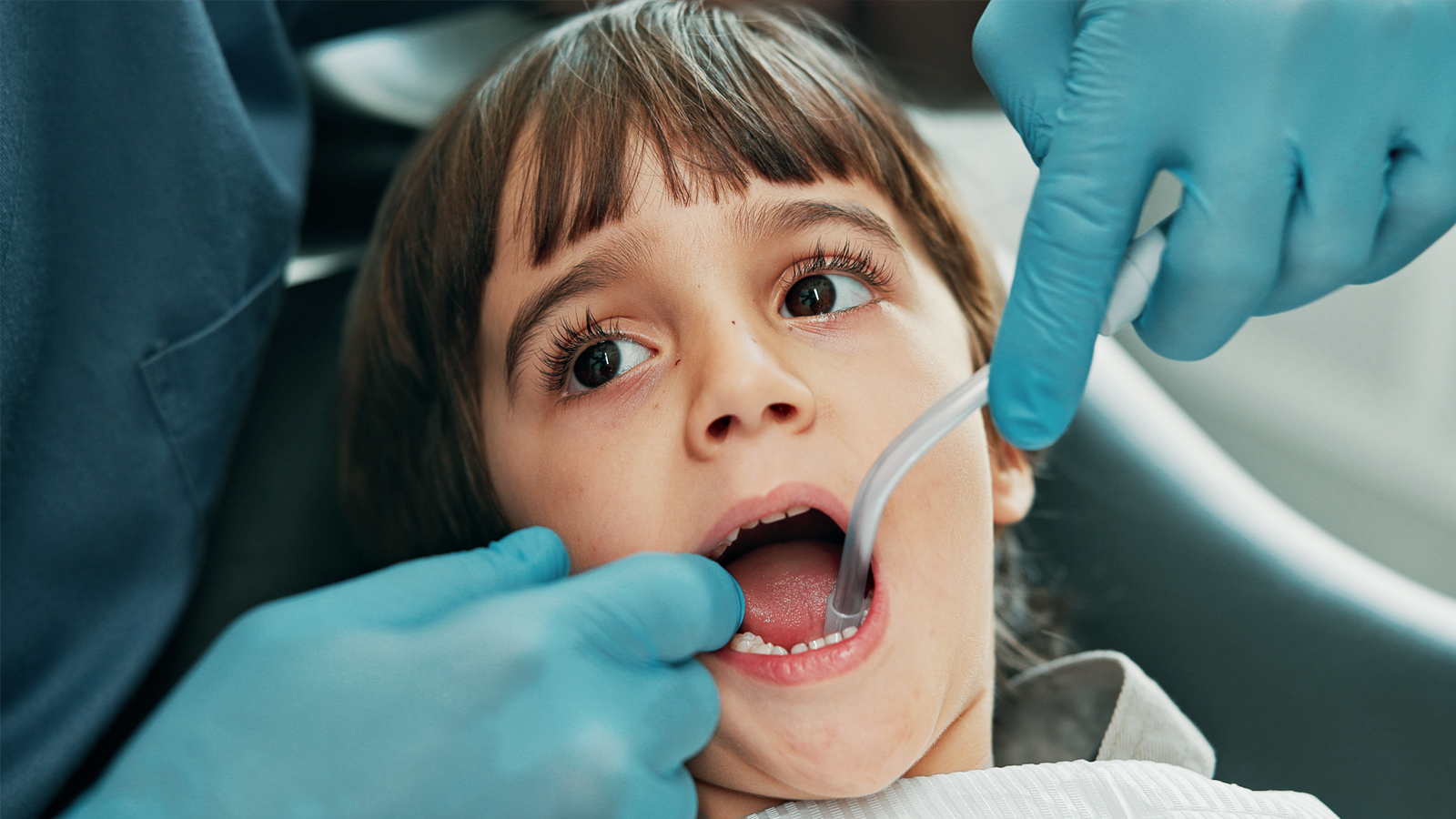
How to detect and prevent tooth decay in children
Paediatric dentist Dr Martina Hartmann explains how parents can help their children develop healthy teeth for life through good oral hygiene and healthy eating habits. Also discover why supplementary dental insurance for children is important for financial protection.

Which supplementary insurance for children is right for our family?
Basic health insurance can be supplemented in several ways; for example, with dental insurance or flexible hospital insurance. But which plans should you choose? Read on to discover the types of supplementary insurance available and the benefits they provide.
.jpg?width=1600)
Which health insurance is best for my baby?
To insure your baby or newborn from their very first breath, you should ideally take out health insurance before they are even born. In Switzerland, health insurance must, by law, be arranged no later than three months after the birth. Read on to discover which model, deductible and supplementary insurance are the best choice for your baby.

Health insurance for children: costs, excess and deductible
To be sufficiently covered in the event of illness, it is important to choose the right health insurance for your child or children. But which deductible and which basic health insurance model are best for you? And which supplementary insurance is worthwhile? We help untangle all the options.

Which supplementary dental insurance is useful for kids?
Healthy milk teeth lay the foundation for strong permanent teeth, reducing the risk of dental disease and associated dental costs in later life. But even with the best dental care, half of all children need braces, the costs of which can soon rise to above 10,000 francs. That’s why many parents take out supplementary dental insurance for their children. But which dental insurance should you choose and how much can you expect to pay?
Prevention/illnesses

Teeth grinding (bruxism) and jaw clenching: what should you do?
Many people subconsciously grind their teeth or clench their jaw. Severe cases of this condition, known as bruxism, affect around 8% of adults and can cause various symptoms. An expert explains the causes and what can help.

Screening tests and check-ups: what is recommended?
Screening tests are important for the early detection of diseases and risk factors. However, basic health insurance in Switzerland does not cover all screening tests. Find out which checks and tests are recommended, which costs are covered and what screening tests are offered under supplementary health insurance.

How to lose belly fat: expert tips on combating visceral fat
Belly fat, also known as abdominal fat, is dangerous as it can cause multiple medical conditions. For example, people with too much visceral fat around their waistline are at a heightened risk of high blood pressure and diabetes. But when does the level of fat become dangerous and what is the quickest way to burn visceral belly fat through healthy eating and exercise? Dr Philipp Nett joins fitness coach and dietician Savo Hertig to offer key information and tips.

Tonsillitis – An ENT specialist explains the causes, symptoms and treatment
Tonsillitis, an inflammation of the tonsils at the back of the throat, is a common condition, particularly during the colder months. Usually caused by a viral or bacterial infection, it is highly contagious. Typical symptoms include a severe sore throat, difficulty swallowing and a high temperature. To help manage the condition, ENT specialist Dr Grégory Schürmann explains how to recognise, treat and prevent tonsillitis early on.

Gastroenteritis – symptoms, duration and treatment
Nausea, diarrhoea and vomiting are all symptoms of gastroenteritis – also commonly known as a stomach bug, tummy bug or stomach flu. It is one of the most common infectious illnesses worldwide and affects almost everyone at least once in their life. Two experts share information about the symptoms, how long they last and what treatments actually help.

Closing tooth gaps (diastema): treatment and costs
A tooth gap is rarely a medical concern. Despite this, many people choose to have them corrected for aesthetic reasons. Find out about the various treatment options available and when health insurance will step in to cover the costs.

Skin cancer prevention: recognise potential warning signs
Globally, skin cancer is one of the most frequently diagnosed forms of cancer. The most important steps you can take to help prevent it are: practising effective sun protection, performing regular skin self-examinations and attending routine skin screenings to support early detection. When identified at an early stage, skin cancer is often highly treatable. This article provides more information about the prevention, symptoms and treatment of skin cancer, as well as mole removal. You can also learn about the skin cancer prevention benefits covered under basic and supplementary health insurance.

Five common belly shapes and what they say about your health
Are you happy with your stomach? Statistically, one in two people are not and it is the most unpopular part of the body for both men and women. As such, we should pay our stomach more attention. After all, its external appearance can give us a good idea of how to achieve greater well-being.

Weak immune system: an expert explains
The immune system is our body’s defence network, protecting us from pathogens, recognising threats and driving the healing process. When it is weakened, we often notice it in daily life through frequent infections, persistent fatigue or poor wound healing. Psychoneuroimmunologist Dr Samuel Gehrke explains the underlying causes and shares tips on how to support our body’s defences.

Boost your immune system: expert advice for stronger natural defences
A strong immune system is crucial for staying healthy. It protects the body against viruses and bacteria, and therefore against illness. Find out how to boost your and your children’s immune systems naturally – with a balanced diet, adequate sleep, enough exercise and less stress. With tips for everyday life from psychoneuroimmunologist Dr Samuel Gehrke.

How to prevent diabetes: 6 practical tips
Preventing diabetes is important for staying healthy in old age. People at increased risk can significantly reduce their likelihood of developing type 2 diabetes through a healthy diet, regular physical activity and moderate weight loss, Some supplementary outpatient insurance plans support this through contributions towards physical activity or check-ups.

Colorectal cancer prevention: what to look out for
Globally, colorectal cancer (also known as bowel cancer) is one of the most commonly diagnosed types of cancer. When detected early, colorectal cancer is highly treatable. In this blog, find out more about screening for early detection, the symptoms and treatment of colorectal cancer and how you can support your gut health through diet. You will also read about the contributions made under basic and supplementary health insurance for colorectal cancer prevention.

How to avoid heart attacks – expert tips on prevention
Every year, around 30,000 people in Switzerland suffer a heart attack – men significantly more often than women. However, many risk factors such as high blood pressure, diabetes and smoking can be actively influenced – for example, through targeted prevention and regular check-ups. Cardiologist Dr Peter Burger explains how you can protect your heart effectively.

Low blood pressure (hypotension): symptoms and causes
Whilst low blood pressure is usually harmless, it can cause dizziness, fatigue or concentration problems, and does carry a risk of fainting and falls. Dr Gözde Polat, specialist in general internal medicine at Ärztezentrum Liestal, explains how to recognise the warning signs and restabilise your circulation.
Pregnancy

Birth preparation courses: content, options and costs
A birth preparation course (also known as antenatal classes) provides expectant parents with knowledge and reassurance and encourages pregnant women to trust their bodies. Midwife Stephanie Kriesel explains what matters most, and you can find out which costs are covered under basic and supplementary health insurance.

Supplementary insurance for pregnancy
Basic health insurance covers essential medical services throughout pregnancy and childbirth. However, taking out supplementary health insurance can be worthwhile in Switzerland if you and your partner would like to enjoy additional benefits throughout your pregnancy journey. Our insurance expert provides an overview and top tips.

Nutrition and diet during pregnancy and breastfeeding
A balanced diet during pregnancy supports foetal development and the health of the mother. Nutritionist Andrea Sutter offers practical tips for everyday life. She recommends fresh, nutritious foods with a focus on quality rather than quantity.

Pregnancy: tips to help you get ready for pregnancy
How do I optimally prepare for pregnancy? Dr Anda Radan, gynaecologist and obstetrician, gives valuable tips about fertility, conception and staying physically and mentally healthy when trying to conceive. Plus: which supplementary insurance offers the best cover prior to conception through to childbirth and when do I have to register my baby with a health insurer?

Pregnancy: what does health insurance cover?
Health insurance covers a wide range of important pregnancy-related services, such as check-ups, antenatal classes, midwifery care and delivery at a birth centre. Most of these costs are covered by basic health insurance without any deductible or excess. This article explains which benefits are covered and helps you look forward to a stress-free maternity.
Women’s health

Everything you need to know about gynaecological exams
Gynaecological examinations or ‘gyno exams’ for short are an important part of women’s healthcare, especially with regard to the early detection of breast and cervical cancer. In the event of problems or questions relating to sexuality, contraception, fertility, pregnancy or menopause, women should contact a gynaecologist. Read on to discover all about the process, the recommended examination frequency, the assumption of costs by health insurance and the supplementary insurance plans available.

Female fertility: a specialist explains
The number of couples choosing to delay parenthood is increasing. From around the age of 35, however, female fertility starts to decline significantly. Professor Brigitte Leeners explains how a woman’s menstrual cycle, age and health affect fertility, and what women trying to conceive can do.

Osteoporosis prevention: how to support your bone health
Osteoporosis is most common in women, particularly after the menopause. Dr David M. Germann, a specialist in general internal medicine and rheumatology, shares practical advice on supporting bone health through diet, exercise, vitamin D and lifestyle choices. Plus: which supplementary health insurance plan helps cover the cost of fitness and sporting activities?

Preventing and treating iron deficiency – causes, symptoms and expert advice
Iron deficiency is one of the most common nutritional deficiencies worldwide. In Switzerland alone, around 15–20% of women of reproductive age are affected. Because it often develops gradually and causes non-specific symptoms, many cases remain undiagnosed. The best way to prevent an iron deficiency is to consume an iron-rich diet, as explained by Dr Urania Kolyvanos Naumann.
Men’s health

Vasectomy– is male sterilisation safe?
A vasectomy is a permanent form of male sterilisation and contraception. It is a minor surgical procedure where a urologist cuts and seals the tubes (the vas deferens) that carry sperm from the testicles to the urethra. The procedure only blocks sperm from entering the semen. Sex drive, hormone production and erectile function are not affected. Find out more about the preparations for a vasectomy and the procedure itself, and what is covered under Swiss health insurance.

Low testosterone: causes and symptoms
The hormone testosterone controls various biological processes in both males and females, including libido, energy levels, mood, bone density and muscular development. But what happens if the body produces too little of it? Low testosterone (also ‘testosterone deficiency’) is associated with symptoms such as fatigue, reduced sex drive and muscle mass, and hair loss (in the armpits and genital area). Find out how it is diagnosed and treated, and what costs are covered under supplementary insurance.

Prostate exam: what tests are recommended?
With more than 7,000 new cases registered every year in Switzerland, prostate cancer is the most common form of cancer among men. As the early stages are often asymptomatic, a prostate exam is recommended by the age of 50 at the latest and 45 in the case of a family history. How often should you have a prostate screening? What does the PSA level indicate? And what costs are covered by basic and supplementary health insurance?

Male fertility: facts and tips
Male fertility challenges are a common factor when trying to conceive. In around 40 to 50% of cases, the cause lies with the male partner or is a combination of factors from both partners. In this article, an andrologist explains how sperm quality, hormones and lifestyle affect fertility – and the practical steps that can help.
Cost assumption by health insurance
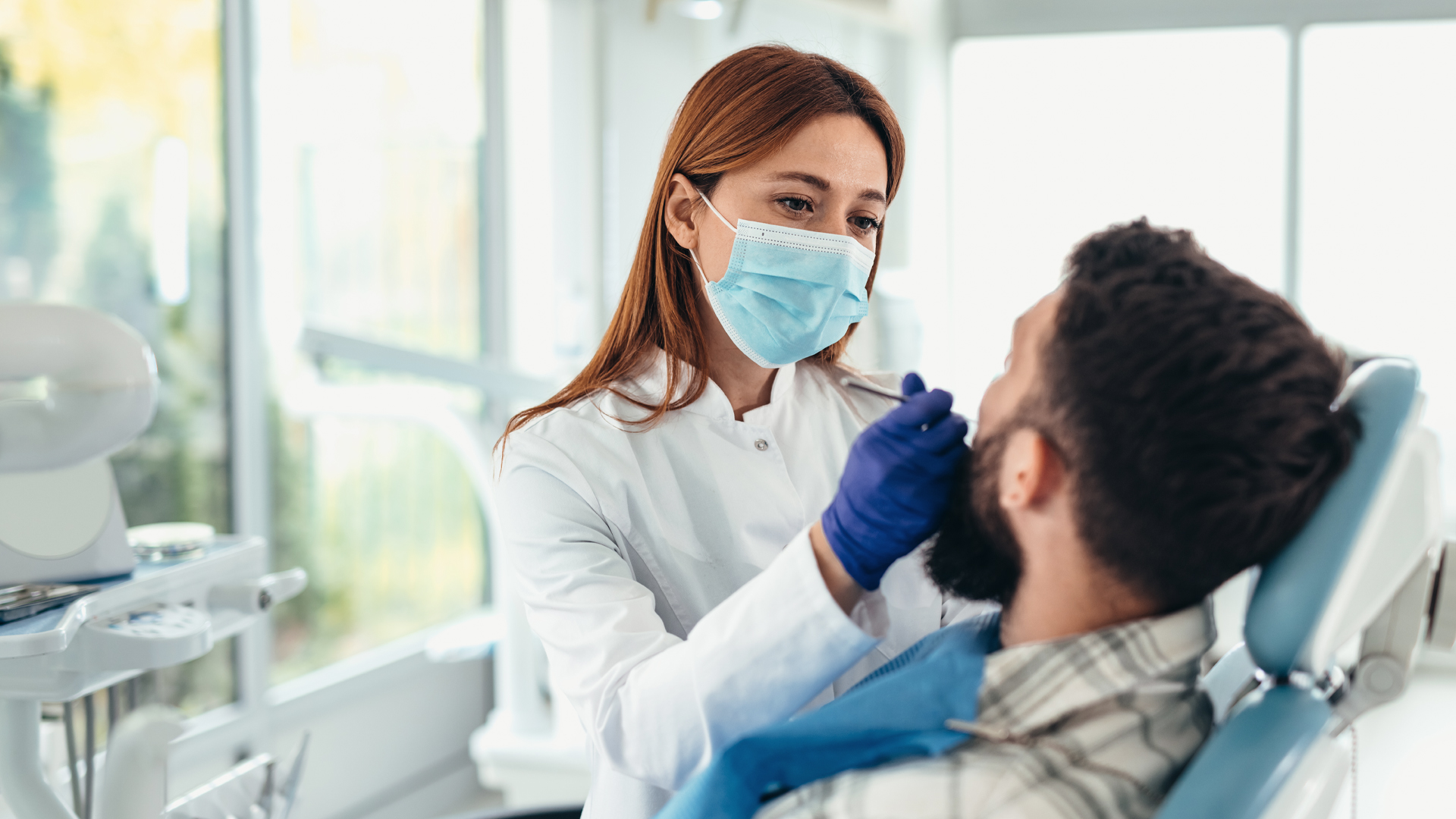
What dental services does health insurance cover?
In Switzerland, health insurance rarely covers the cost of treatment by a dentist. An insurance expert explains when basic health insurance will pay and when it is worth taking out supplementary dental insurance. Also, discover the costs that you are likely to incur for the most common dental treatments.
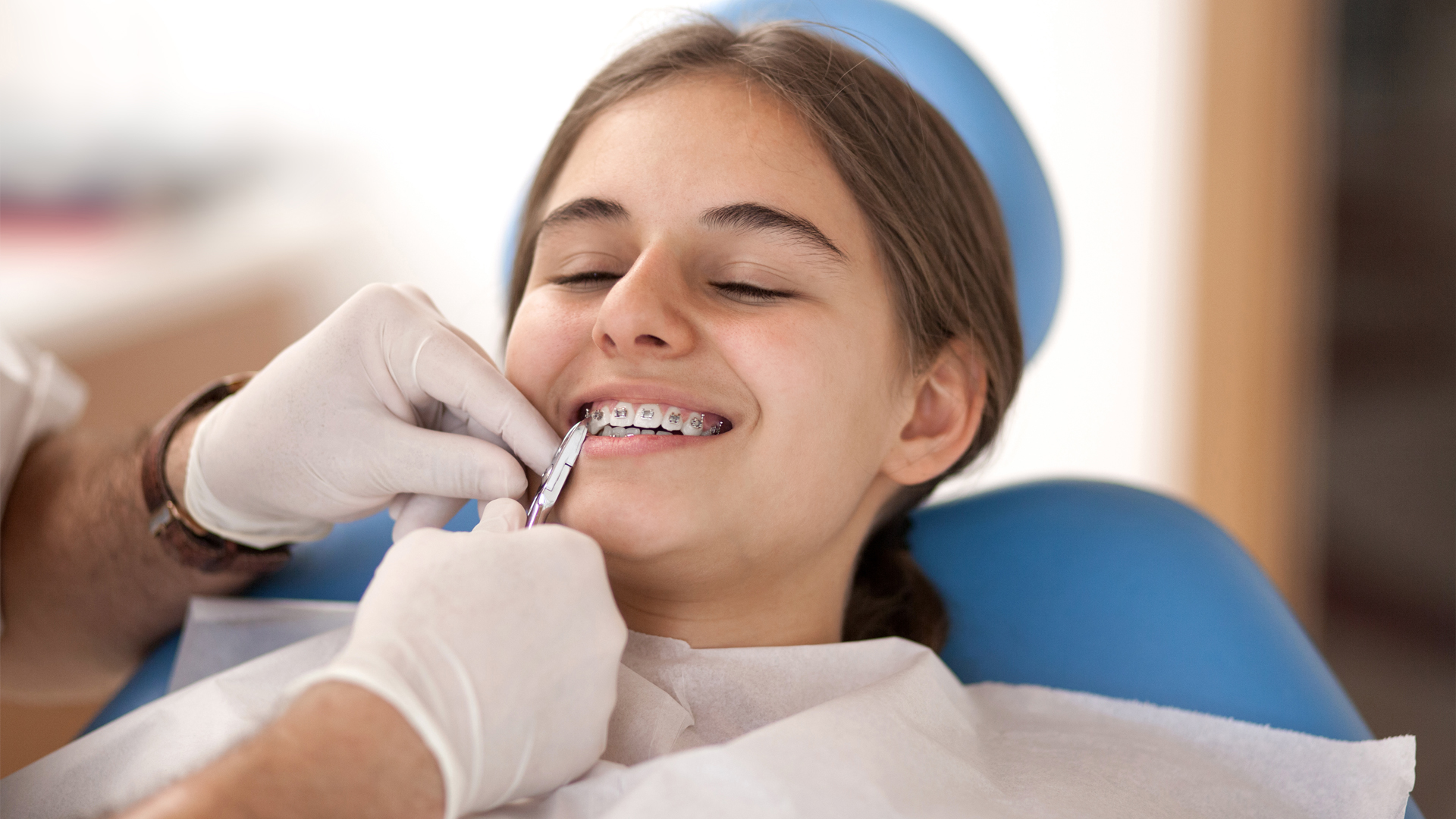
How much do health insurers contribute towards braces?
The cost of braces in Switzerland can soon run to more than 10,000 francs. However, basic health insurance contributes towards this amount only in exceptional cases. By taking out suitable supplementary insurance in good time, you can receive help towards this significant outlay.
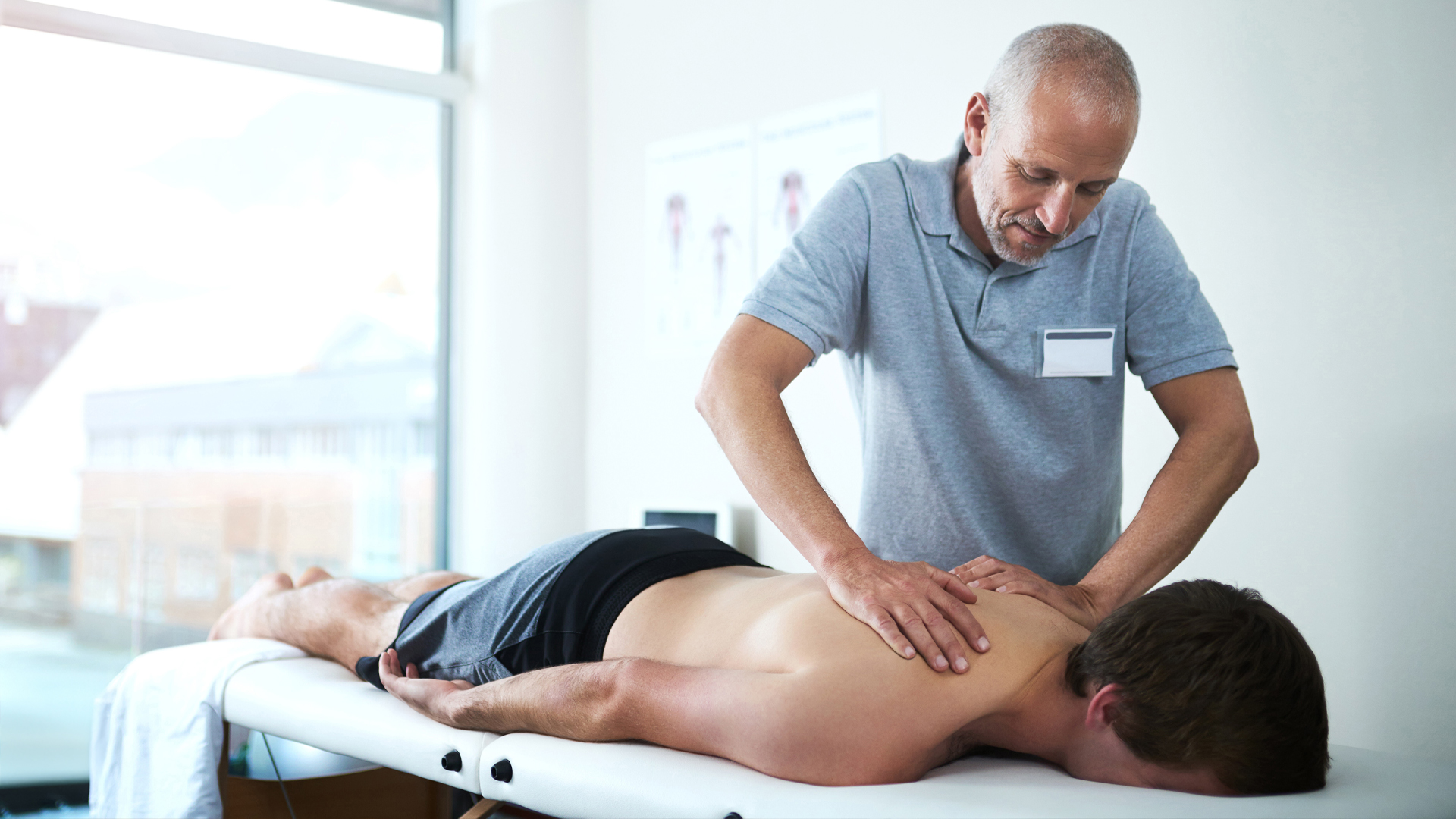
Are massages covered by health insurance?
Massages are not covered under basic health insurance, but with a supplementary insurance product such as Pulse, you can recover some of the costs. An insurance expert explains when massages are recognised under health insurance and the contributions you can receive.

Guide to dental prostheses: options and costs
Dentist Prof. Nicola U. Zitzmann explains restorative dentistry and when prostheses such as crowns, bridges, implants or dentures are required. You will also learn how a supplementary dental insurance policy can help you avoid paying the full costs of restorative dental work yourself as dental costs are not generally covered under basic health insurance in Switzerland.

Sport, fitness and gym: what health insurance covers
A fitness membership is great for health and well-being – but is it covered under health insurance? Many health insurers contribute towards gym memberships and sports activities through supplementary health insurance. Pulse supplementary health insurance from KPT contributes up to 300 francs per year towards gym memberships and up to 600 francs in total towards sport and exercise.
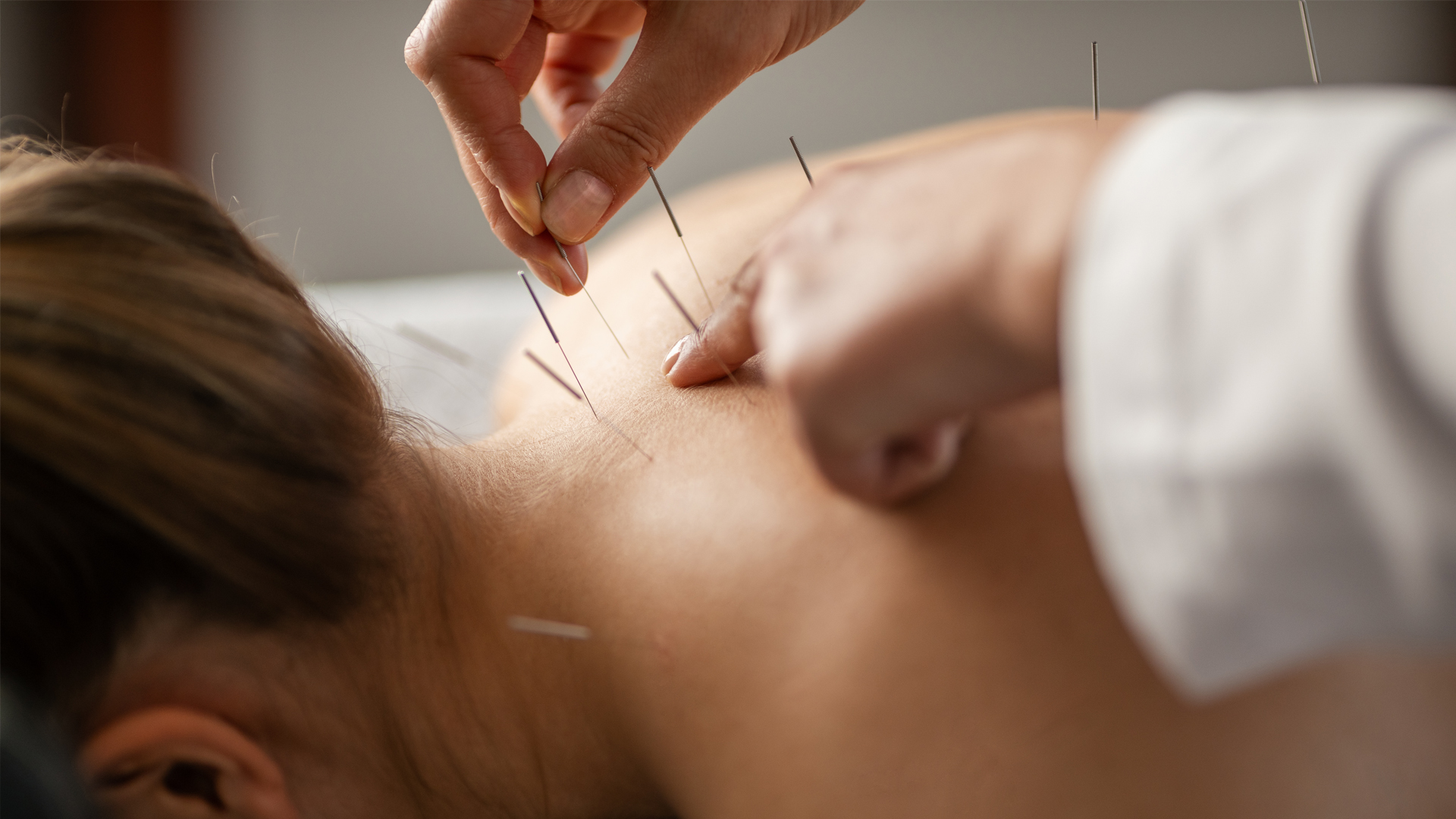
Complementary medicine: what will health insurance cover?
Complementary and alternative medicine is treatment that falls outside of mainstream healthcare. It includes therapies such as acupuncture, homeopathy or osteopathy . Under certain conditions, basic health insurance in Switzerland covers five specific treatment methods in the area of complementary and alternative medicine. With a good supplementary health insurance product, you can be covered for many more.

Dental cleaning: how much does it cost and what does health insurance cover?
The cost of dental cleaning in Switzerland varies depending on the provider, location and the patient’s individual needs. Basic health insurance does not usually cover the cost of professional dental hygiene treatment.

Laser vision correction: which costs does health insurance cover?
Laser vision correction is a proven method of correcting sight defects such as short-sightedness, long-sightedness and astigmatism. In many cases, it can eliminate the need for glasses or contact lenses. The costs for laser vision correction are not usually covered by basic health insurance. Supplementary health insurance can cover some of the costs.

Glasses and contact lenses: what will health insurance cover?
Around three quarters of Swiss citizens require a visual aid such as glasses for their everyday life or work as, left uncorrected, even minor visual issues can lead to headaches or fatigue. However, the cost of glasses or contact lenses can often place strain on a family’s budget. Whether or not the cost is covered by health insurance depends on the type of insurance. Basic health insurance only provides very limited cover for glasses whereas supplementary insurance often offers a higher subsidy for glasses or contact lenses.

How much do braces cost in Switzerland?
Many people dream of a perfect smile with beautifully aligned teeth. Braces are often the answer. However, corrective dentistry for children or adults can put significant strain on the household budget. Read on to discover which orthodontic costs can be covered by your health insurance.
Well-being

How effective is online psychotherapy and what options are available?
Do you tend to overthink or often feel low or anxious? Mental health struggles are on the rise, but in-person therapy can be hard to access with long waits common. Online psychotherapy can be a good and equally effective alternative that enables you to start treatment sooner. We look at whether online therapy can help, the options available and what health insurance covers.

Mental load: symptoms and consequences of the invisible burden
Mental load is an invisible but very real psychological burden: the constant responsibility for all aspects of family life can lead to stress, exhaustion and even burnout. Psychotherapist Chow Ling Prager explains why mothers are particularly affected – and gives tips on how to practise more self-care.

Fasting: healthy or a strain on the body?
Whether intermittent fasting or a week-long fast, does it really cleanse the body, mind and soul? Can calorie restriction really boost the immune system? Professor David Fäh, a nutritionist and specialist in preventive medicine, answers these questions and more.

Burn-on: recognising the warning signs and preventing chronic stress
Burn-on is the silent precursor to burnout – a phase in which people continue to function despite already feeling overwhelmed. This state of exhaustion, which is often overlooked, can develop into a serious problem if not recognised early enough. What are the warning signs? How do we prevent it? Psychologist Raffaela Witting provides practical advice.

Expertentipps: Mikrobiom aufbauen und stärken
Der Einfluss des Mikrobioms auf die Gesundheit ist grösser, als lange angenommen wurde. Um ein gesundes Darm-Mikrobiom aufzubauen, ist eine ausgewogene, faserreiche Ernährung entscheidend. Der Gastroenterologe Dr. med. Joachim Mertens erklärt, was das genau bedeutet, und gibt Tipps für einen gesunden Lebensstil.

Gut health: how a healthy gut supports wellbeing
The intestine is an important but often overlooked organ. Gut health has a major influence on our overall wellbeing. This is because the intestine not only digests food but also plays an important role in our immune system and metabolic processes. The good news: with the right habits, we can positively influence our gut health, according to gastroenterologist Dr Joachim Mertens.

How to stop smoking
Would you like to quit smoking? There are many reasons why it makes sense. Besides the financial cost, smoking also places a burden on the healthcare system. It damages almost all the internal organs and significantly increases the risk of heart attack, cancer and other serious diseases. By contrast, stopping smoking can lead to noticeable health improvements and save a significant amount of money over the long term. If you are looking to quit smoking, there are many different medications and treatments available to support you. Some of these are partly covered under supplementary health insurance.
