

Pregnancy | 15.4.2026
Nutrition and diet during pregnancy and breastfeeding
A balanced diet during pregnancy supports foetal development and the health of the mother. Nutritionist Andrea Sutter offers practical tips for everyday life. She recommends fresh, nutritious foods with a focus on quality rather than quantity.

When should you start focussing on pregnancy nutrition?
Women planning a pregnancy should pay careful attention to their diet even before falling pregnant because foetal development begins immediately after conception. “Eating healthily and taking care of yourself ensures the best start for both mother and child,” explains nutritionist Andrea Sutter. A balanced diet can also have a positive effect on fertility and prepare the body for a healthy pregnancy.
Nutrition tips for women considering pregnancy
- A varied, nutritious diet rich in fresh fruit, vegetables, whole grains, high-quality protein sources and healthy fats is key.
- Take 0.4 mg of folic acid daily (in tablet or capsule form) from at least four weeks before pregnancy right up until the 12th week of pregnancy.
- Avoid all alcohol and nicotine and reduce caffeine intake.
- Stay hydrated and maintain a healthy body weight.
What foods are best during pregnancy?
According to nutritionist Andrea Sutter, “It’s about quality rather than quantity when it comes to nutrition and diet in pregnancy. Eat twice as well, rather than twice as much!”
This is because energy requirements are only slightly higher during pregnancy: from the second trimester, women need around 250 extra kilocalories a day, equivalent to a banana plus a pot of yoghurt, for example. From the seventh month of pregnancy, an extra 500 kilocalories is required – a slice of wholegrain bread with cream cheese plus a handful of nuts perhaps.
The need for nutrients, on the other hand, increases greatly, which is why nutrient-dense foods are particularly important.
Fruit, vegetables and whole grains
Include at least two portions of fruit a day and three portions of starchy foods, wholegrain where possible. These foods provide fibre, vitamins and minerals and aid digestion.
Protein
Women are advised to consume three servings of dairy products a day and one serving of a protein-rich food, such as meat, fish, eggs, tofu or legumes. From the fourth month, protein requirements increase slightly and can be covered by a small protein-rich snack.
Fats and omega-3
There is no need to increase the amount of fat consumed. According to Andrea Sutter, quality is crucial. She therefore recommends unsaturated fatty acids from nuts, rapeseed oil or linseed oil. Essential omega-3 fatty acids (DHA, EPA) from oily fish, for example, are particularly important.
Fluids and fibre
To prevent constipation, it is important to have around 30 grams of fibre per day, from vegetables, whole grains, legumes, potatoes or nuts. It is also important to drink plenty to help the fibre do its job.
Why folic acid during pregnancy is so important
“Women trying to conceive should always take the recommended daily dose of folic acid,” advises Andrea Sutter. Folic acid supports development of the neural tube, the embryonic structure that develops into the baby’s brain and spinal cord. Natural sources of folic acid include wheatgerm, green vegetables (spinach, kale, lamb’s lettuce), legumes, nuts, whole grains and eggs.
Pregnant and fully protected thanks to Pulse

With Pulse, the supplementary outpatient insurance from KPT, you are covered for a range of additional services, such as pregnancy yoga, breastfeeding counselling and additional check-ups. To be able to take advantage of these benefits during pregnancy, it is worth taking out the insurance in good time as a waiting period of 270 days applies.
Vitamins and minerals during pregnancy
Vitamins and minerals are particularly important during pregnancy as they support development of the baby’s brain, organs, bones and blood. They are also vital for the mother and can alleviate pregnancy symptoms while reducing the risk of gestational diabetes, high blood pressure and low birth weight, among other things.
Daily vitamin and mineral needs increase significantly during pregnancy. A varied diet covers much of these needs. However, “for some nutrients, supplementation can be advisable,” says nutritionist Andrea Sutter.
Vitamin B12 and iron
Vitamin B12 and iron are crucial for blood formation and the supply of oxygen to the mother and baby. Vitamin B12 also supports cell division and the development of the nervous system. A deficiency can cause tiredness in the mother, and anaemia and developmental disorders in the baby.
Sources:
- Iron: meat, legumes, whole grains and green vegetables.
- Vitamin B12 is found almost exclusively in foods of animal origin, such as meat, fish, eggs and dairy products
Tip from the nutritionist: vitamin C enhances the absorption of vegetable iron.
Calcium
Calcium supports the formation of bone and teeth in the baby and plays a role in blood clotting and muscle function in the mother.
Sources:
- Milk and dairy products
- Green leafy vegetables such as broccoli and kale
- Nuts, almonds
- Calcium-rich mineral water.
Zinc
Zinc is important for growth, cell division and the immune system. It supports the development of organs and tissues in the baby as well as wound healing and immune response in the mother.
Sources:
- Meat
- Poultry
- Fish
- Eggs and dairy products
- Legumes, nuts and whole grains.
Vitamin B6
Vitamin B6 is important for the protein metabolism, the formation of neurotransmitters and brain development in the baby. It can also relieve pregnancy symptoms such as nausea and vomiting.
Sources:
- Wholegrain products
- Legumes
- Bananas
- Potatoes
- Meat
- Fish
- Nuts
Tip from the nutritionist: if you experience nausea or vomiting during pregnancy, discuss with your gynaecologist whether a vitamin B6 supplement in mixtures with other active ingredients is advisable.
Iodine
Iodine supports thyroid function, which is essential for the baby’s metabolism and brain development. A deficiency can lead to growth and developmental disorders.
Sources: iodised table salt and products containing it, such as bread, fish, seafood, cheese and eggs.
Tip from the nutritionist: it is advisable to discuss the need for iodine tablets with your gynaecologist.
Omega-3 fatty acids
Omega-3 fatty acids, especially DHA, are important for foetal brain and eye development. They also have an anti-inflammatory effect and support cardiovascular health.
Sources:
- Oily fish such as salmon
- Flaxseed, walnuts and rapeseed oil.
Tip from the nutritionist: eat oily fish once or twice a week or take fish oil or algae oil capsules after consulting a doctor.
Vitamins A and C
Vitamin A is important for development of the baby’s eyes, skin and mucous membranes, as well as for the mother’s immune system. Vitamin C supports the absorption of iron, strengthens the immune system and contributes to the formation of connective tissue and bones in the foetus.
Sources:
- Vitamin A: foods of animal origin, such as eggs and dairy products; in plant form, as beta-carotene in carrots, pumpkin and dark green leafy vegetables.
- Vitamin C: citrus fruit, peppers, kiwi, broccoli and berries.
Magnesium
Magnesium supports muscle function, energy metabolism and nerve transmission, and contributes to the healthy development of the baby’s bones and teeth.
Sources:
- Wholegrain products
- Legumes
- Nuts, seeds
- Green leafy vegetables
Is a vegetarian or vegan diet safe during pregnancy?
Vegetarian diet
A vegetarian diet can also be followed during pregnancy. “A good supply of protein, iron and vitamin B12 is essential,” explains nutritionist Andrea Sutter. “If you are not able to get everything you need from your diet, a multivitamin or other supplements can help.”
Vegan diet
A vegan diet can be quite restrictive, putting you at higher risk of a nutrient deficiency. You should pay special attention to protein, iron, calcium, iodine, zinc, omega-3 fatty acids and vitamins B2, B12 and D. “Following a vegan diet during pregnancy requires knowledge, experience and careful planning. I would always recommend close medical supervision and supplementation tailored to the individual’s blood values,” advises nutritionist Andrea Sutter. “The best advice if you are vegan is to obtain support from a specialised, legally recognised nutritionist.”
What not to eat during pregnancy: A short guide
During pregnancy, the immune system is compromised, making the body more susceptible to infection. Some foods also carry an increased risk of toxins or bacteria or contain ingredients that can affect the baby’s development. Pregnant women should therefore always avoid:
- Raw or undercooked meat (e.g. steak tartare, carpaccio)
- Raw or undercooked egg (e.g. in desserts, home-made mayonnaise)
- Raw or undercooked fish and seafood (e.g. sushi, smoked fish)
- Unpasteurised dairy products and soft cheeses
- Liver – as a precaution, avoid during the first three months of pregnancy in particular
- Fish with a high mercury content (such as swordfish)
- Packaged, pre-washed salads; these may be contaminated by germs or listeria
- Alcohol
Why kitchen hygiene is particularly important during pregnancy
Some foodborne diseases, such as toxoplasmosis and listeriosis, are particularly dangerous during pregnancy.
- Toxoplasmosis is transmitted by a small parasite found in raw meat, under-washed vegetables or cat faeces, for example.
- Listeriosis is caused by a bacterium found in unpasteurised dairy products, raw meat or packaged salads.
Both infections can be transmitted via the placenta to the unborn child and cause miscarriage, premature birth or serious harm to health.
Good hygiene practices reduce the risk of infection:
- Ensure that meat, poultry, fish and seafood is fully cooked
- Wash vegetables, lettuce, herbs and fruit thoroughly, especially if they are to be eaten raw
- Wash and dry hands, work surfaces, cutting boards and kitchen utensils carefully after contact with raw food
- Replace dishcloths and tea towels regularly
- Clean the refrigerator regularly and keep it free of germs
- Defrost frozen food in the refrigerator
- Observe best-before and use-by dates
How frequently should you eat during pregnancy?
To avoid feeling full, five to six light meals throughout the day are better tolerated than heavy meals of high-fat breaded or deep-fried foods. To avoid overloading the digestive system, keep portions moderate and regularly spaced out.
If you are experiencing morning sickness, a small snack, such as a piece of bread, before getting up can help. Regular exercise in the fresh air is also good for you.
Cravings and hunger pangs
A balanced diet of regular meals and protein-rich snacks helps to stabilise blood sugar and prevent hunger pangs. Healthy snacks such as nuts, fruit or quark are great for satisfying the sudden onset of hunger. Staying hydrated also helps to reduce cravings. “However, it’s perfectly fine to enjoy a piece of chocolate now and again, for instance,” says Andrea Sutter. “Going without is more likely to increase cravings for sweet treats. It’s all about enjoying things in moderation.”
Private hospital insurance: an extra level of comfort for you and your baby

FAQ – diet in pregnancy
Other articles on this topic

Pregnancy: what does health insurance cover?
Health insurance covers a wide range of important pregnancy-related services, such as check-ups, antenatal classes, midwifery care and delivery at a birth centre. Most of these costs are covered by basic health insurance without any deductible or excess. This article explains which benefits are covered and helps you look forward to a stress-free maternity.

Which supplementary dental insurance is useful for kids?
Healthy milk teeth lay the foundation for strong permanent teeth, reducing the risk of dental disease and associated dental costs in later life. But even with the best dental care, half of all children need braces, the costs of which can soon rise to above 10,000 francs. That’s why many parents take out supplementary dental insurance for their children. But which dental insurance should you choose and how much can you expect to pay?
.jpg?width=1600)
Which health insurance is best for my baby?
To insure your baby or newborn from their very first breath, you should ideally take out health insurance before they are even born. In Switzerland, health insurance must, by law, be arranged no later than three months after the birth. Read on to discover which model, deductible and supplementary insurance are the best choice for your baby.
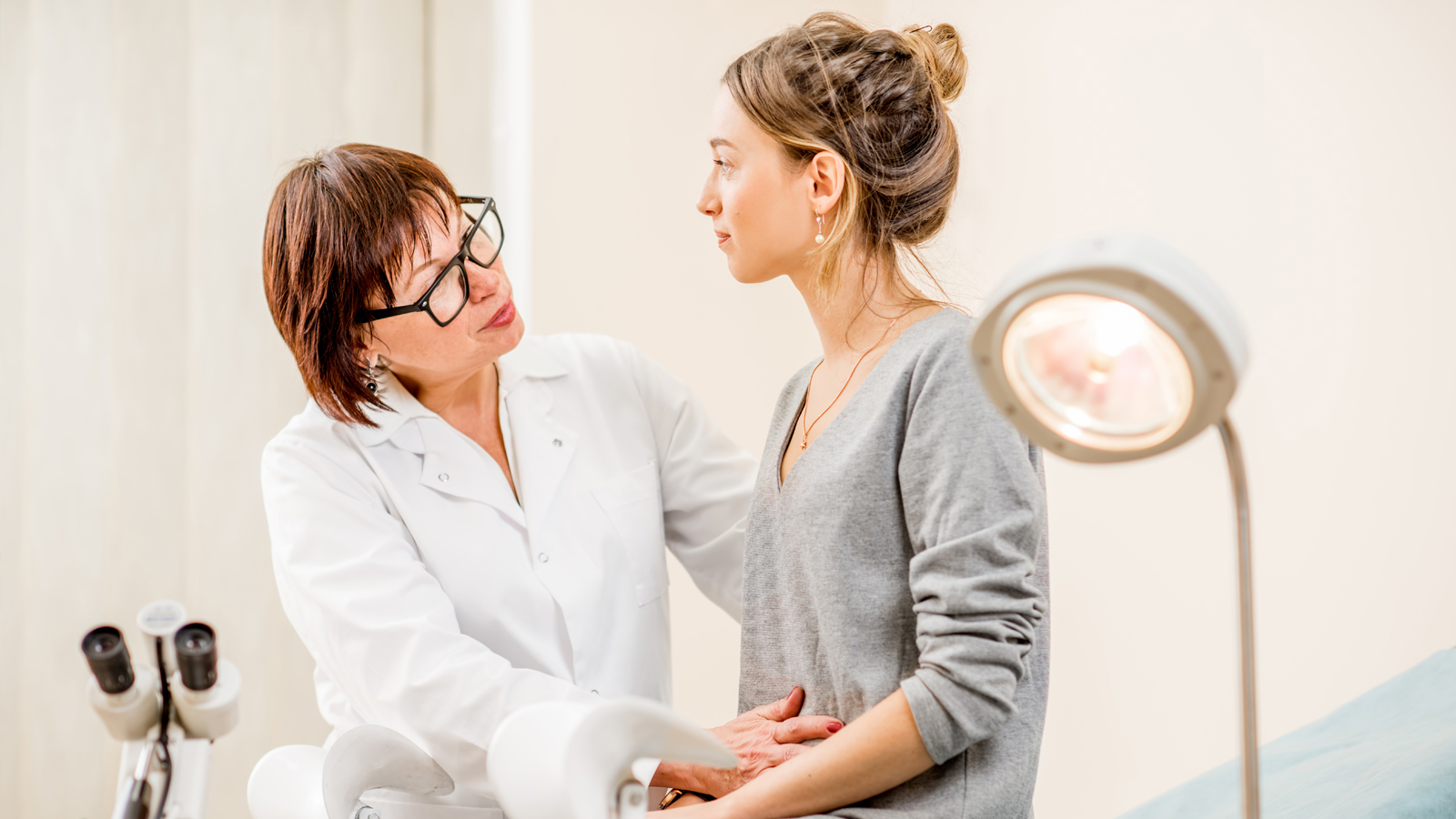
Everything you need to know about gynaecological exams
Gynaecological examinations or ‘gyno exams’ for short are an important part of women’s healthcare, especially with regard to the early detection of breast and cervical cancer. In the event of problems or questions relating to sexuality, contraception, fertility, pregnancy or menopause, women should contact a gynaecologist. Read on to discover all about the process, the recommended examination frequency, the assumption of costs by health insurance and the supplementary insurance plans available.

Which supplementary insurance for children is right for our family?
Basic health insurance can be supplemented in several ways; for example, with dental insurance or flexible hospital insurance. But which plans should you choose? Read on to discover the types of supplementary insurance available and the benefits they provide.

Andrea Sutter BSc BFH, a nutritionist specialising in women’s health, runs online nutrition counselling service MotivEAT! and is co-managing director of GESKES SSNC, the Swiss Society for Clinical Nutrition and Metabolism.
