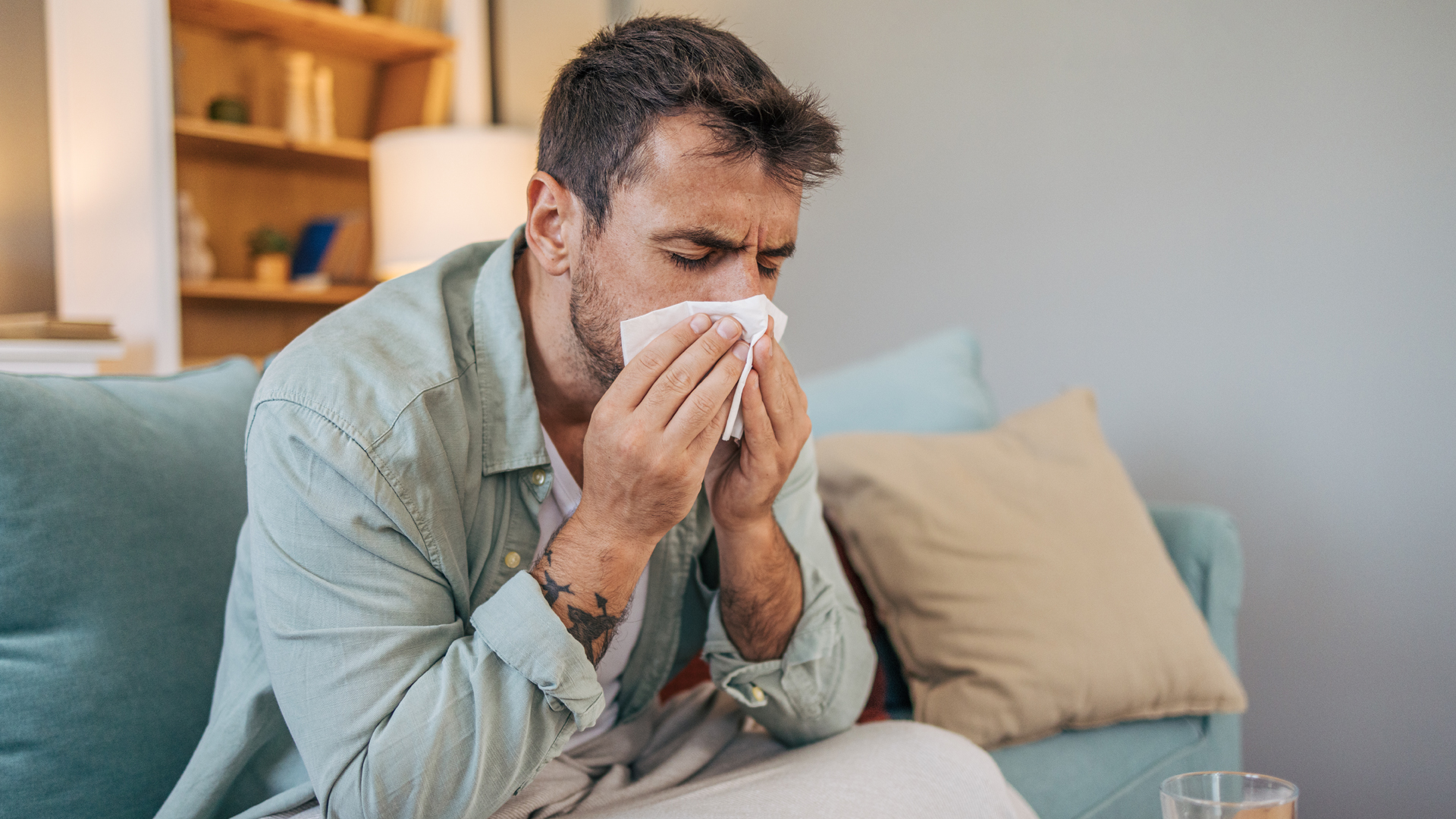
There are many possible underlying reasons for a weakened immune system. By understanding the most common risk factors, you can take targeted action to strengthen your body’s defences.
“Sleep is like a quiet, comprehensive form of immunotherapy. It is the only way the body can truly restore its strength.”
Lack of sleep
Deep, restful sleep is vital for immune regeneration. Anyone regularly sleeping for less than six hours a night risks raising their inflammatory markers. According to Dr Gehrke, “Sleep is like a quiet, comprehensive form of immunotherapy. It is the only way the body can truly restore its strength.”
Nutritional deficiencies
Diet doesn’t only provide energy; it also sends vital signals to the immune system, primarily via the gut microbiome. A lack of essential nutrients, such as vitamins A, D, C and B complex, zinc, iron, omega-3 fatty acids or protein, can weaken the body’s defences. These substances also influence mood, concentration and stamina, demonstrating the close link between body and mind.
Important: Overdosing (through high-dose dietary supplements for example) can disrupt the delicate immune balance.
Ageing and the immune system
As we age, our immune capacity naturally declines in a process known as immunosenescence. Coordination within the system fades and fewer new T-cells are produced, limiting the body’s ability to adapt to new pathogens. Older adults may also contend with autoimmune diseases, vascular issues and neurodegenerative conditions. “The ageing immune system is like an orchestra where some instruments are missing, others are out of tune and the conductor has slowed down,” says Dr Gehrke. Exercise, mindfulness and a healthy diet can help to counteract this.
How cold weather affects the immune system
Whilst cold weather itself does not cause ill health, it creates conditions that favour infection. People spend more time indoors, which makes it easier for viruses like influenza to spread. In addition, cold, dry air irritates the mucous membranes in the nose and throat, making them more permeable to viruses, while the hair-like cilia lining the respiratory tract become less active and clear viruses less efficiently. Vitamin D levels also frequently drop during the winter months.
Nicotine and alcohol
Tobacco smoke weakens the lungs’ defences. Cilia function is reduced, alveolar macrophages become less active and pro-inflammatory messengers increase. This raises susceptibility to respiratory infections such as influenza, pneumonia or COVID-19, as well as the risk of autoimmune diseases.
Alcohol also impairs the immune system by weakening immune cells and making the gut barrier more permeable. “Occasional, moderate consumption is not usually problematic, but regular heavy drinking disrupts immune regulation and promotes systemic inflammation,” warns Dr Gehrke.
Chronic stress
“Chronic stress not only affects our mood, but also has a major impact on immune system function,” says Dr Gehrke. While acute stress temporarily stimulates the immune system, chronic stress disrupts immune regulation over the long term. The stress hormone cortisol becomes imbalanced, increasing susceptibility to infection, slowing recovery times and raising the risk of autoimmune diseases.
"Chronic stress not only affects our mood, but also has a major impact on immune system function”
Underlying medical conditions
Several medical conditions can compromise the immune system. These include infectious diseases (such as HIV/AIDS or chronic hepatitis), cancer (especially leukaemia or lymphoma), diabetes and chronic kidney or liver disease. The body’s defences can also be weakened by malnutrition, mental health conditions such as depression or anxiety and certain medications. In the case of autoimmune diseases, the immune system mistakenly attacks the body’s own cells.
Environmental toxins and pollutants
Heavy metals, pesticides, industrial chemicals and air pollutants can all impair immune function, trigger inflammation and weaken the gut barrier. “Minimising exposure to environmental toxins supports immune regulation,” the expert explains. Practical steps in our daily lives include choosing organic products, opting for natural cosmetics or switching to eco-friendly detergents.
Lack of exercise
“Exercise is far more critical for the immune system than many people realise,” comments Dr Gehrke. Without regular activity, chronic inflammation levels rise, lymphatic flow slows and metabolic waste takes longer to clear from tissues. A lack of exercise can also lead to insulin resistance, obesity and poor sleep; all risk factors for a poor immune system. It also increases stress and social isolation, subjecting the immune system to further strain. Regular, moderate exercise, on the other hand, strengthens the immune system.