Cost assumption by health insurance | 24.4.2026
Complementary medicine: what will health insurance cover?
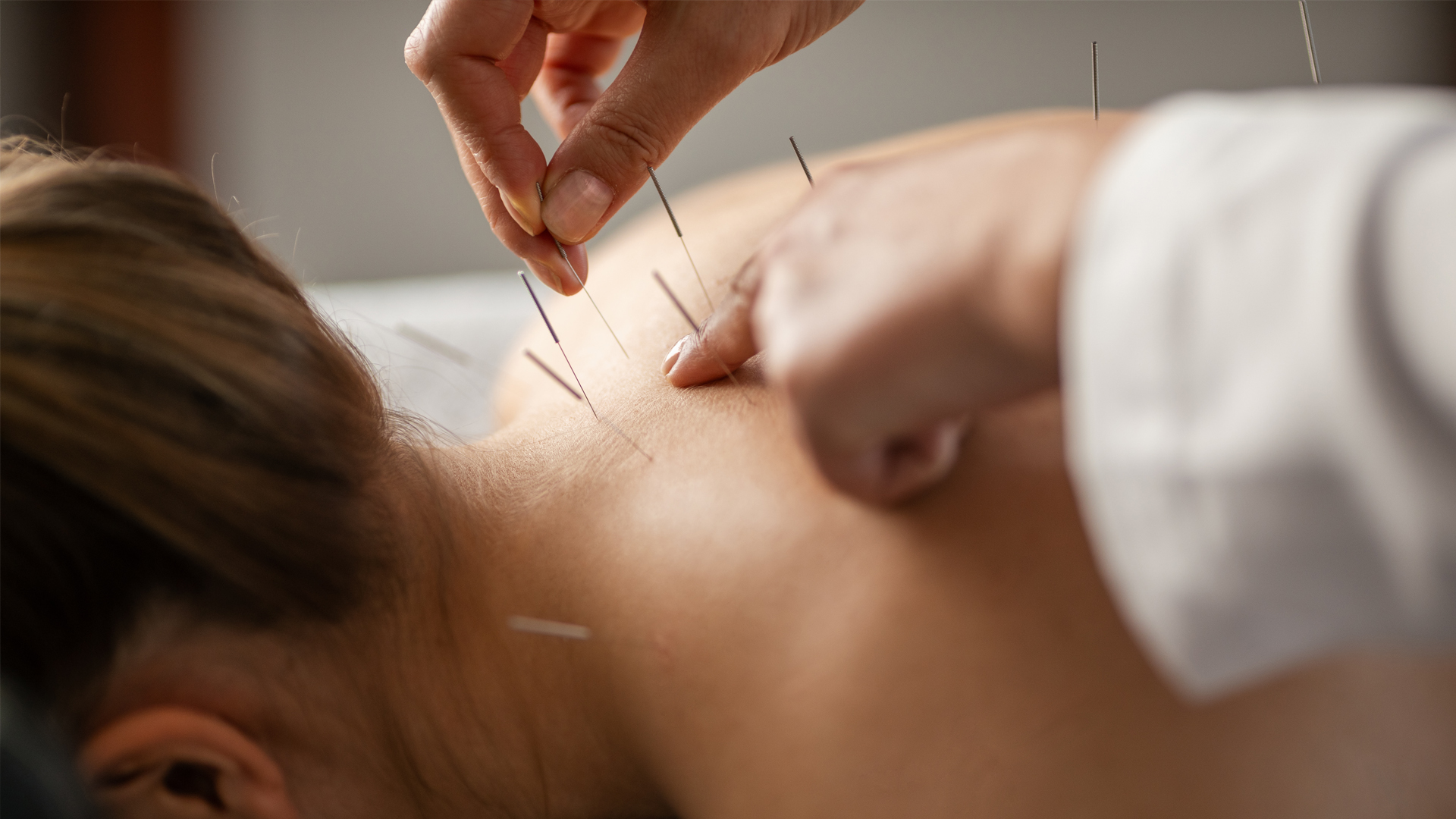
Complementary and alternative medicine is treatment that falls outside of mainstream healthcare. It includes therapies such as acupuncture, homeopathy or osteopathy . Under certain conditions, basic health insurance in Switzerland covers five specific treatment methods in the area of complementary and alternative medicine. With a good supplementary health insurance product, you can be covered for many more.

What is complementary medicine?
Complementary medicine refers to a diverse group of therapies that are intended to be used alongside, but not as a replacement for, conventional medicine. Complementary medicine incorporates body, mind, lifestyle and environmental factors into the treatment.
Complementary medicine aims to boost the body’s natural ability to heal itself while providing the most non-invasive treatment for symptoms.
Some of the most well-known forms of complementary medicine are acupuncture, homeopathy, phytotherapy (herbal medicine), anthroposophic medicine and traditional Chinese medicine (TCM).
Many doctors combine conventional and complementary medicine, particularly for chronic conditions, pain or stress.
According to the KAM-Barometer survey commissioned by the Empirical Medicine Register (EMR), approximately two-thirds of the Swiss population have tried complementary or alternative medicine.
Which complementary medicine treatments are covered under basic health insurance?
In Switzerland, basic health insurance only covers the following CAM therapies (cf. the Federal Office of Public Health):
- Acupuncture
- Homoeopathy
- Phytotherapy (herbal medicine)
- Anthroposophic medicine
- Traditional Chinese medicine (TCM)
For basic health insurance to cover the costs of alternative medicine, the treatment must be performed by a certified specialist with a federal diploma and recognised further training in complementary medicine (Article 4b of the Health Care Benefits Ordinance, HIBO). Treatments performed by non-physician therapists are not covered under basic health insurance.
Other therapies such as osteopathy, kinesiology or yoga therapy are also not covered under basic health insurance. Supplementary health insurance is required for such treatments.
Which complementary medicine treatments are covered under supplementary health insurance?
The amount covered under supplementary insurance varies depending on the insurance provider and product. Supplementary health insurance for alternative medicine covers services that are outside of the scope of basic health insurance and greatly expands the coverage for complementary medicine. The costs covered depend on the health insurer and supplementary insurance concerned.
Pulse supplementary outpatient insurance from KPT covers a wide selection of therapies, including:
- Craniosacral therapy/osteopathy
- Shiatsu
- Breathing therapy
- Yoga therapy
- Bioresonance
Pulse supplementary outpatient insurance from KPT goes beyond basic health insurance with benefits for complementary medicine, wellness, fitness and advanced health screenings.

Pulse Top and Pulse Premium contribute towards a wide range of complementary medicine treatments:
- Pulse Top: up to 2,000 francs per year
- Pulse Premium up to 4,000 francs per year
Compare the benefit classes of Pulse supplementary outpatient insurance from KPT.
When complementary medicine is covered by your health insurance
For your health insurance to assume the costs of complementary medicine, certain conditions must be met. Relevant factors include:
- Your insurance: basic or supplementary health insurance
- The therapist’s qualifications
- A medical prescription
The following overview shows which therapies are covered under Pulse supplementary outpatient insurance: List of Complementary Therapies Covered by KPT
Do I need a medical prescription for complementary medicine?
The need for a medical prescription will depend on your specific insurance model. This applies equally for basic health insurance and supplementary health insurance.
We advise checking with your health insurer before starting any therapy. With Pulse supplementary outpatient insurance, a medical prescription is not required for complementary medicine.
How do I claim back costs for complementary medicine?
With Pulse Top and Premium supplementary insurance from KPT, the reimbursement process is simple and straightforward. Simply follow these steps:
- Ensure that your treatment (see list of Complementary Therapies) is performed by an ASCA- or EMR-recognised therapist.
Find a complementary therapie.
Find an EMR therapist.
Find an ASCA therapist. - Submit the invoice via the KPT app or the KPTnet customer portal. You can also send the invoice by post.
- The insurer will check the invoice and arrange for the amount to be transferred.
Are complementary medicine services also covered abroad?
No, supplementary outpatient insurance from KPT does not cover complementary medicine services abroad. However, complementary medicines purchased abroad will be reimbursed if obtained with a medical prescription issued in Switzerland.
Which therapists are recognised for complementary and alternative medicine?
It is a condition of many health insurance products that treatment must be performed by a certified therapist. Pulse supplementary outpatient insurance from KPT is no exception. This ensures that your treatment is performed by a qualified professional in line with the latest medical standards – for the benefit of your health and well-being.
Pulse supplementary health insurance only accepts therapists recognised by at least one of the two major Swiss quality registries:
- ASCA (Swiss Foundation for Complementary Medicine): therapists on this registry meet high professional and practical standards.
- EMR (Empirical Medicine Register): recognises professionals who meet rigorous training and qualification standards and engage in continuous professional development.
You can search these registers for qualified professionals.
Key info
- In the area of complementary medicine, basic health insurance covers the following five treatment methods: acupuncture, anthroposophic medicine, homeopathy, phytotherapy and traditional Chinese medicine (TCM).
- Supplementary health insurance covers a much wider range of complementary medicine treatments.
- Pulse Top and Pulse Premium supplementary outpatient insurance from KPT provide comprehensive protection for more than 100 alternative treatments.
- Quality: choose ASCA- or EMR-recognised therapists for your treatment.
- Fast reimbursement: submit claims easily via the KPT app or KPTnet portal.
- In the area of complementary medicine, basic health insurance covers the following five treatment methods: acupuncture, anthroposophic medicine, homeopathy, phytotherapy and traditional Chinese medicine (TCM).
Pulse supplementary outpatient insurance from KPT covers 75 percent of the costs for complementary treatments like osteopathy or yoga therapy when performed by recognised therapists.
Pulse Top covers up to 2,000 francs per year, while Pulse Premium covers up to 4,000 francs. The excess (deductible) for both plans is CHF 100 per year.
FAQ on complementary medicine and health insurance
Other articles on this topic

Are massages covered by health insurance?
Massages are not covered under basic health insurance, but with a supplementary insurance product such as Pulse, you can recover some of the costs. An insurance expert explains when massages are recognised under health insurance and the contributions you can receive.

How to lose belly fat: expert tips on combating visceral fat
Belly fat, also known as abdominal fat, is dangerous as it can cause multiple medical conditions. For example, people with too much visceral fat around their waistline are at a heightened risk of high blood pressure and diabetes. But when does the level of fat become dangerous and what is the quickest way to burn visceral belly fat through healthy eating and exercise? Dr Philipp Nett joins fitness coach and dietician Savo Hertig to offer key information and tips.

Screening tests and check-ups: what is recommended?
Screening tests are important for the early detection of diseases and risk factors. However, basic health insurance in Switzerland does not cover all screening tests. Find out which checks and tests are recommended, which costs are covered and what screening tests are offered under supplementary health insurance.

Everything you need to know about gynaecological exams
Gynaecological examinations or ‘gyno exams’ for short are an important part of women’s healthcare, especially with regard to the early detection of breast and cervical cancer. In the event of problems or questions relating to sexuality, contraception, fertility, pregnancy or menopause, women should contact a gynaecologist. Read on to discover all about the process, the recommended examination frequency, the assumption of costs by health insurance and the supplementary insurance plans available.

In her role as Head of the Benefits Management team at KPT, Céline Luginbühl is responsible for the clear, proper and customer-oriented handling of complex benefits matters. As the central contact for benefit-related enquiries and regulatory changes, she lends her expertise to internal and external committees and actively contributes to the further development of the Benefits area.