Prevention/illnesses | 30.9.2026
Gastroenteritis – symptoms, duration and treatment
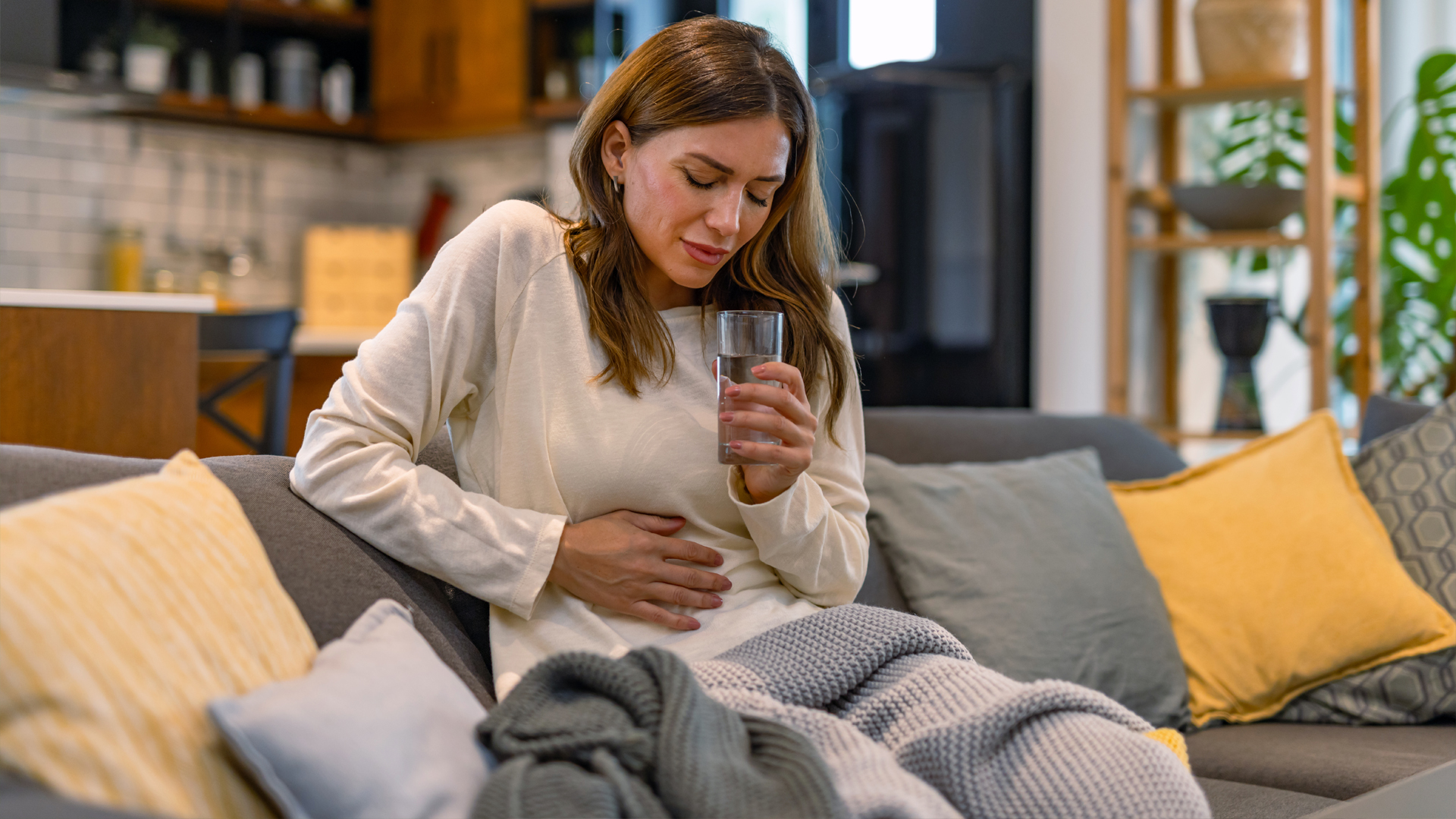
Nausea, diarrhoea and vomiting are all symptoms of gastroenteritis – also commonly known as a stomach bug, tummy bug or stomach flu. It is one of the most common infectious illnesses worldwide and affects almost everyone at least once in their life. Two experts share information about the symptoms, how long they last and what treatments actually help.

Typical symptoms of gastroenteritis (stomach flu)
Acute gastroenteritis usually develops suddenly and typically presents with:
- Vomiting: sudden, severe vomiting (particularly in the case of norovirus)
- Diarrhoea: frequent (three to five times per day) watery stools that may contain mucous or blood (depending on the pathogen)
These symptoms are frequently accompanied by abdominal cramps and stomach pain, often with a feeling of pressure and bloating, as well as a loss of appetite. In many cases, you will experience a brief fever, headache or limb pain, and feel generally unwell. These symptoms usually resolve on their own as long as you drink plenty of fluids and replace any lost salts.
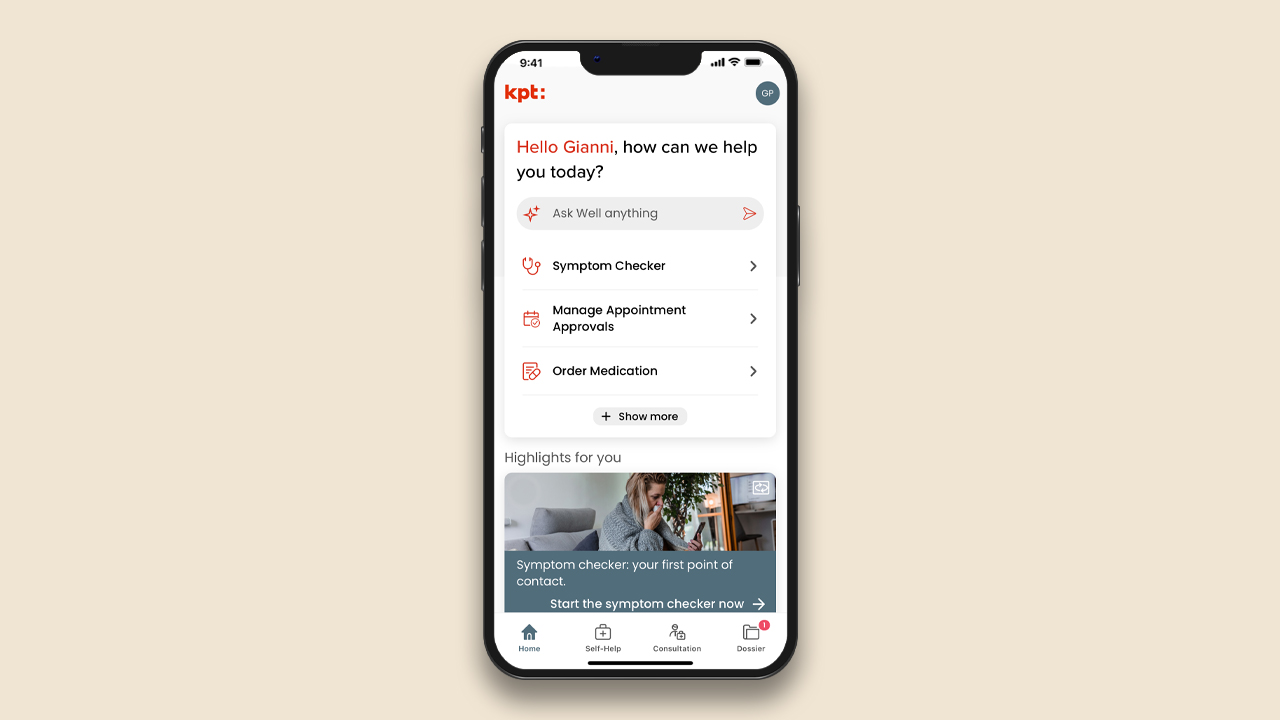
Use the Well app to check symptoms online
A digital symptom checker works in a similar way to a face-to-face or telemedicine consultation with a doctor: the tool asks specific questions to analyse your symptoms and provides an initial assessment based on medical criteria. It will quickly detect if the situation is an emergency. Plus: the Well app also provides information about illnesses and home remedies.
Causes of a gastrointestinal infection
“With acute gastroenteritis, it is not usually necessary to identify the specific pathogen,” says Dr Tobias Zander. This is required only in cases of severe or prolonged illness, blood in the stool, pre-existing conditions, a weakened immune system or if someone works with food or in an institutional setting.
Viruses
Viruses are the most common cause of gastroenteritis. In Switzerland, around 400,000 people are infected by norovirus each year, which typically causes sickness and diarrhoea. Rotavirus also causes severe diarrhoea, particularly in babies and toddlers.
Bacteria
Bacterial gastrointestinal infections are usually caused by contaminated food. With 7,000 to 8,000 cases per year in Switzerland, Campylobacter is the most common pathogen, followed by Salmonella. These infections often result in a high fever and blood in the stool.
Parasites
Parasitic gastrointestinal infections are less common and usually occur after trips abroad. One example is Giardia lamblia (giardiasis). Symptoms often take one to two weeks to appear and can last for several weeks.
Is it food poisoning?
Dr Bruno Balsiger explains: “People often use the term ‘food poisoning’ when they have an upset stomach. However, true food poisoning is caused by the toxins in spoiled food and symptoms often manifest within just a few hours. In the case of an infection, by contrast, bacteria or germs multiply in the intestine and it takes longer to feel unwell.”
“With acute gastroenteritis, it is not usually necessary to identify the specific pathogen.”
Catching gastroenteritis – how the pathogens spread
From person to person
The most frequent way to catch gastroenteritis is the faecal-oral transmission of pathogens via contaminated hands or objects that are then brought into contact with the nose or mouth. For example, by not washing your hands after using the toilet or after touching contaminated surfaces.
Infected individuals shed viruses and bacteria in their stool or vomit. In the case of norovirus, tiny droplets can be released into the air when vomiting, which are subsequently inhaled. This virus therefore spreads particularly quickly among family members, childcare workers and nursing staff. Transmission is also possible when shaking hands or hugging.
Via food
Many pathogens like Campylobacter and Salmonella enter the body via contaminated foodstuffs, with typical sources being raw or insufficiently cooked meat (poultry in particular), eggs and milk. Vegetables and salads can also be contaminated by unclean water. Viruses can often be found in raw milk, mussels or freshly prepared salad.
Contact with animals
Some infections are zoonoses, meaning infectious illnesses transmitted from animals:
Campylobacter can be caught from poultry; Salmonella from reptiles, birds and small animals. And Cryptosporidium and Giardia can enter the water supply through the faeces of sheep, goats or dogs. “Failing to wash your hands thoroughly after visiting a farm or coming into contact with animals can easily result in an infection,” warns Dr Tobias Zander.
Via objects
Some pathogens are extremely resilient, with norovirus often surviving ten days or more on door handles, toys or toilet seats. Unless thoroughly disinfected, these surfaces remain infectious for a long time. Bacteria such as Salmonella and parasites such as Giardia can also adhere to these surfaces.
Progression of a gastrointestinal infection – what you need to know
The initial infection is followed by an incubation period. This is the time between contagion and when the first symptoms appear, before the acute phase of the illness begins. Once the illness has run its course, there is a process of gradual recovery.
How long does gastroenteritis (stomach flu) last?
The duration of gastroenteritis can differ greatly depending on the specific pathogen involved.
- Norovirus
Incubation period: 12 to 48 hours, illness duration: 2 to 3 days, usually severe but brief - Rotavirus
Incubation period: 1 to 3 days, illness duration: around 7 days, with severe diarrhoea in infants in particular - Bacterial pathogens (e.g. Salmonella, Campylobacter)
Incubation period: 6 to 72 hours, usually 1 to 3 days, illness duration: around 4 to 7 days, fever, occasionally bloody stool, usually spontaneous recovery without the need for special treatment - Parasitic pathogens (e.g. Giardia)
Incubation period: often 1 to 2 weeks, can last for weeks, usually contracted after trips abroad
Recovery and care after gastroenteritis
Once the diarrhoea has stopped, most people, especially children, recover quickly as long as they drink enough. Older people or those with chronic illnesses often take longer to recover as their fluid and electrolyte balance is more delicate. “In all cases, the most important factor for recovery is ensuring a sufficient intake of fluids and electrolytes – that is, mineral salts such as sodium or potassium that the body loses as a result of diarrhoea and that must be replaced through suitable drinks,” emphasises Dr Bruno Balsiger.
“The most important factor for recovery is ensuring a sufficient intake of fluids and electrolytes.”
When should I see a doctor?
In most cases, a gastrointestinal infection clears up by itself within a few days. However, if you experience other symptoms in addition to diarrhoea and vomiting, you should speak to your doctor. This is particularly important if you experience:
- Blood in your stool or black stool (signs of internal bleeding)
- Persistent vomiting that prevents you from keeping anything down
- High or persistently elevated fever (over 38.5 °C) or severe abdominal pain (hard, rigid abdomen)
- Signs of dehydration: strong thirst, dry mouth, lack of urine (fewer than three wet nappies per day in infants), dizziness, drowsiness
- Circulatory issues: dizziness when standing, cold sweats, pale skin
- Very frequent diarrhoea: more than 8 to 10 watery stools per day in school-aged children, repeated diarrhoea in babies, toddlers or older people
Extra caution required for at-risk groups
Some people should seek prompt medical attention when experiencing gastrointestinal symptoms as they may become dehydrated more quickly or suffer adverse reactions. This includes babies and toddlers, the elderly, people with chronic conditions (e.g. diabetes, heart, cardiovascular or kidney disease), immunocompromised individuals (e.g. due to chemotherapy or steroid treatments) and pregnant women.
GP or emergency doctor?
If you experience fainting, seizures or impaired consciousness, you should visit a hospital emergency department or, in acute cases, call the emergency services directly.

Gastroenteritis treatments – what really helps?
“For acute gastroenteritis, medication is necessary only in exceptional cases as treatment is primarily for the symptoms,” says Dr Tobias Zander. “In other words, treatment is aimed at alleviating symptoms and ensuring a good balance of fluids and electrolytes. There are no medicines that can cure gastroenteritis directly, especially in the case of viral infections.”
Fluids and electrolytes are the best treatment
The most important thing is to drink plenty of fluids, such as water, tea or clear soup. Electrolyte solutions from a pharmacy can help balance salt levels.
Medication (only as needed and used with caution)
- For severe nausea (adults): short-term antiemetics (e.g. metoclopramide)
- For pain or fever: paracetamol or medication to relieve cramps (e.g. butylscopolamine)
- Important: avoid strong painkillers such as metamizole where possible (due to side effects)
- For severe diarrhoea in adults (without fever or blood in the stool, max. 48 hours): loperamide
- For children: do not give antidiarrheal medication – the best treatment is plenty of rest and fluids
What is not recommended?
- Herbal remedies such as uzara root, apple powder, tannin, charcoal tablets, healing clay or myrrh
- Activated charcoal
- Probiotics (not generally recommended based on current evidence)
- Antibiotics (no benefit for viral infections; only beneficial for bacterial infections in special cases following a stool analysis)
Home remedies that often help
- For nausea: ginger tea, chamomile tea
- For mild abdominal cramps: a hot-water bottle or peppermint oil (in capsules)
What to eat and drink with gastroenteritis
“Children and adults with gastroenteritis can generally eat and drink whatever they can tolerate and are used to,” says Dr Bruno Balsiger. “There is no need to fast, observe a strict diet or restrict yourself solely to fluids – all of which can do more harm than good. Listen to your own body and do whatever feels best.”

KPTwin.smart – health app with symptom checker
With the digital basic health insurance model KPTwin.smart, you manage everything through the Well app: from symptom checks and medical certificates to doctor's appointments and treatment plans. If you have a health issue, the symptom checker is your first port of call and determines your next treatment steps. Medication is conveniently obtained from the Zur Rose online pharmacy.
How long do you remain infectious with gastroenteritis?
The length of time that gastroenteritis remains contagious depends on the specific pathogen.
- Viruses such as norovirus and rotavirus can often start being shed shortly before symptoms appear, and this can continue for days or even weeks after falling ill. Norovirus can remain contagious for up to two weeks after recovery, as can rotavirus in infants.
- Bacterial infections usually clear up after a week, although germs can again continue to be shed for a few days. For certain pathogens (e.g. Salmonella, EHEC), people working in specific areas (food handling, childcare) often have to provide two negative stool tests before resuming work.
How to protect yourself from a gastrointestinal infection
“Simple yet consistent hygiene measures can provide effective prevention against gastrointestinal infections,” says Dr Bruno Balsiger. “Washing hands thoroughly with soap while giving them a good rub is the best approach. Targeted surface disinfection, taking appropriate measures in the case of illness and ensuring good kitchen hygiene also help stop the spread of disease.”
General preventative hygiene measures
- Hand-washing: using soap and water, wash hands for at least 20 to 30 seconds, especially after going to the toilet, before eating or following contact with animals.
- Kitchen hygiene: always ensure meat, eggs and fish are fully cooked, boil or pasteurise raw milk products, thoroughly wash raw vegetables, and use separate kitchen utensils for raw and cooked foods.
- Keep food chilled: keep perishable foods like meat or dairy products well chilled (below 5 °C) at all times and consume them while fresh.
- Animal contact and gardening: wash hands thoroughly after coming into contact with animals, manure or compost. Do not allow babies and toddlers to have direct contact with petting animals (especially reptiles and rabbits).
“Simple yet consistent hygiene measures can provide effective prevention against gastrointestinal infections.”
If someone in the house is ill
- Clean and disinfect surfaces: clean toilets, washbasins, door handles, smartphones etc. regularly using virucidal or bactericidal disinfectants.
- Use separate household items: use individual toothbrushes, towels, crockery and cutlery, and clean using hot water (min. 60 °C)
- Wash laundry at high temperatures: wash towels, bed linen and facecloths at min. 60 °C; regularly clean children's toys.
- Avoid contact: infected individuals should not prepare food for others during the acute phase (and for at least 48 hours afterwards) and should avoid close contact with at-risk groups.
Frequently asked questions about gastroenteritis
More articles on this topic

Tonsillitis – An ENT specialist explains the causes, symptoms and treatment
Tonsillitis, an inflammation of the tonsils at the back of the throat, is a common condition, particularly during the colder months. Usually caused by a viral or bacterial infection, it is highly contagious. Typical symptoms include a severe sore throat, difficulty swallowing and a high temperature. To help manage the condition, ENT specialist Dr Grégory Schürmann explains how to recognise, treat and prevent tonsillitis early on.
Weak immune system: an expert explains
The immune system is our body’s defence network, protecting us from pathogens, recognising threats and driving the healing process. When it is weakened, we often notice it in daily life through frequent infections, persistent fatigue or poor wound healing. Psychoneuroimmunologist Dr Samuel Gehrke explains the underlying causes and shares tips on how to support our body’s defences.
Boost your immune system: expert advice for stronger natural defences
A strong immune system is crucial for staying healthy. It protects the body against viruses and bacteria, and therefore against illness. Find out how to boost your and your children’s immune systems naturally – with a balanced diet, adequate sleep, enough exercise and less stress. With tips for everyday life from psychoneuroimmunologist Dr Samuel Gehrke.

Screening tests and check-ups: what is recommended?
Screening tests are important for the early detection of diseases and risk factors. However, basic health insurance in Switzerland does not cover all screening tests. Find out which checks and tests are recommended, which costs are covered and what screening tests are offered under supplementary health insurance.

Preventing and treating iron deficiency – causes, symptoms and expert advice
Iron deficiency is one of the most common nutritional deficiencies worldwide. In Switzerland alone, around 15–20% of women of reproductive age are affected. Because it often develops gradually and causes non-specific symptoms, many cases remain undiagnosed. The best way to prevent an iron deficiency is to consume an iron-rich diet, as explained by Dr Urania Kolyvanos Naumann.

Dr Bruno M. Balsiger and Dr Tobias Zander are gastroenterologists at the Bauch Medizin Bienne medical practice.