Men’s health | 14.2.2026
Prostate exam: what tests are recommended?
With more than 7,000 new cases registered every year in Switzerland, prostate cancer is the most common form of cancer among men. As the early stages are often asymptomatic, a prostate exam is recommended by the age of 50 at the latest and 45 in the case of a family history. How often should you have a prostate screening? What does the PSA level indicate? And what costs are covered by basic and supplementary health insurance?

What is the prostate?
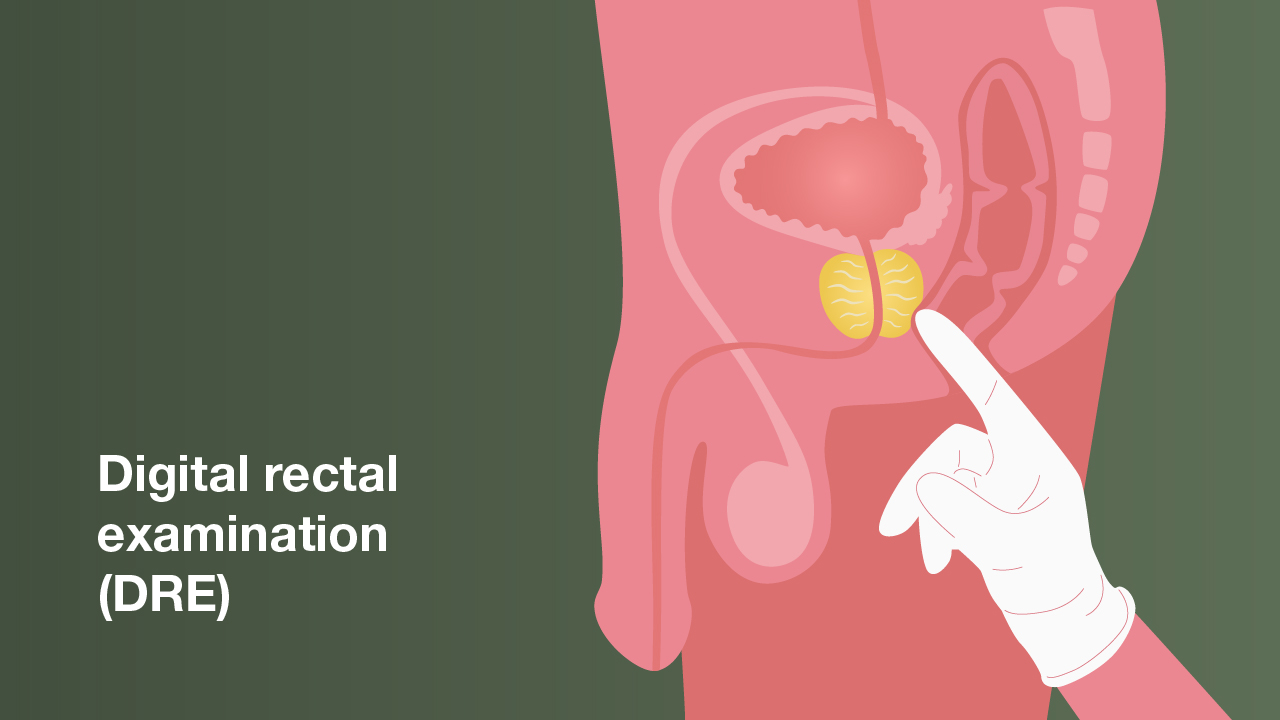
The prostate is a gland about the size of a chestnut that plays a central role in reproduction and urinary tract health for men. It sits below the bladder, surrounding the upper part of the urethra. The prostate’s main function is to produce a fluid that is a vital part of semen. A healthy prostate is not just important for male fertility but also for a good quality of life in general.
Why should I go for a prostate exam?
Prostate disorders, such as enlargement (benign prostatic hyperplasia) or inflammation (prostatitis), can significantly impair bladder function and well-being. Early-stage prostate cancer often has no symptoms, so is frequently missed. Only on reaching an advanced stage do symptoms such as the following occur: