
Women’s health | 10.6.2026
Female fertility: a specialist explains
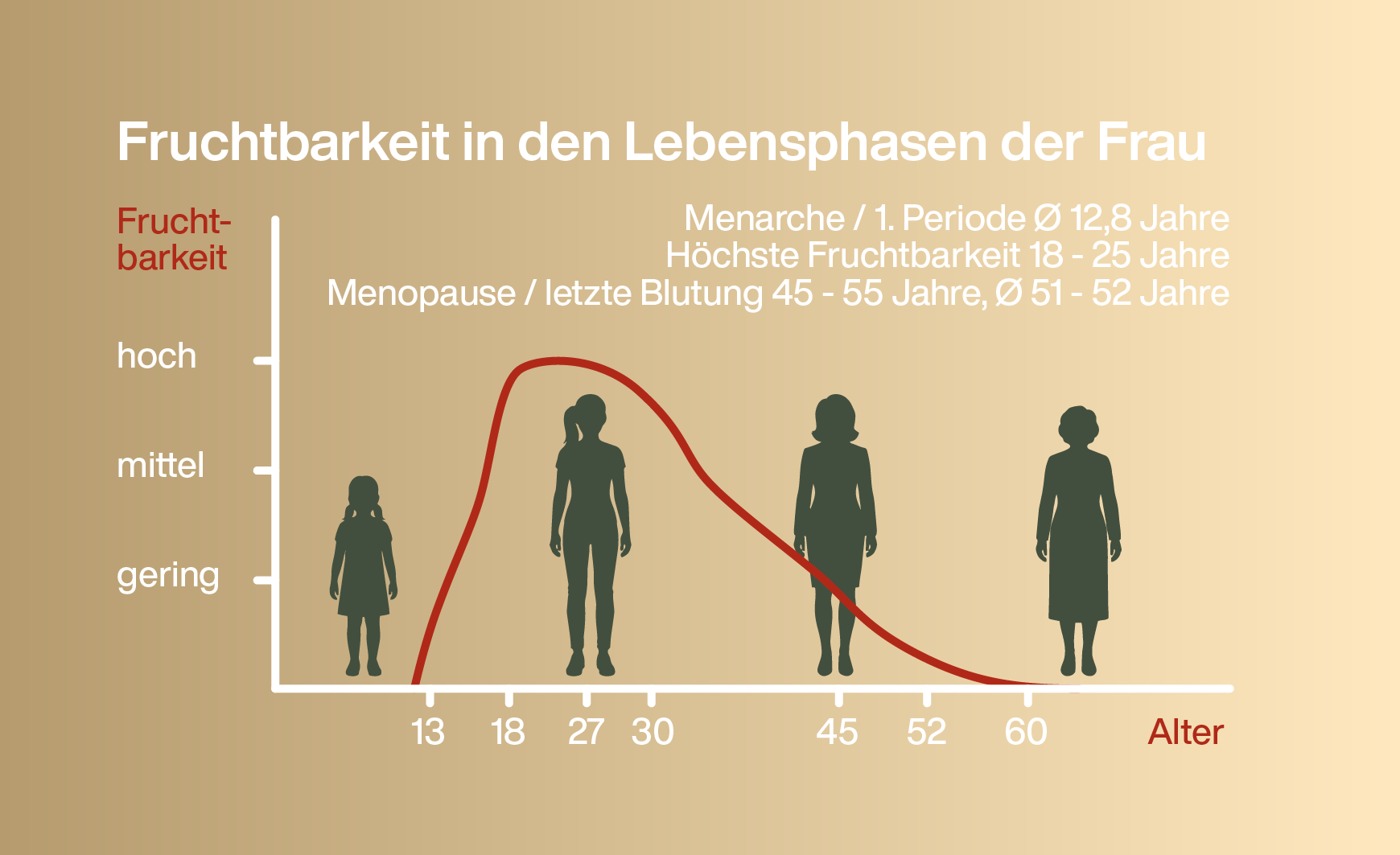
The number of couples choosing to delay parenthood is increasing. From around the age of 35, however, female fertility starts to decline significantly. Professor Brigitte Leeners explains how a woman’s menstrual cycle, age and health affect fertility, and what women trying to conceive can do.

What is the clinical definition of female infertility?
Female infertility is defined as the failure to achieve a pregnancy after 12 months or more of regular unprotected sexual intercourse, provided there are no male factor fertility issues.
Around 80% of couples trying to conceive achieve a pregnancy within 12 months. However, in Switzerland, about one in six couples experience fertility challenges. When a couple fails to achieve a pregnancy, both partners are investigated. “In around a third of cases, the reason lies exclusively with the woman, in another third, it lies with the man. And in the remaining third, it is a combination of both or the cause remains unknown,” explains Prof. Leeners.
For women over 35, medical investigations tend to be recommended after only six months.








.jpg?width=1600)