
Cost assumption by health insurance | 24.9.2026
What dental services does health insurance cover?
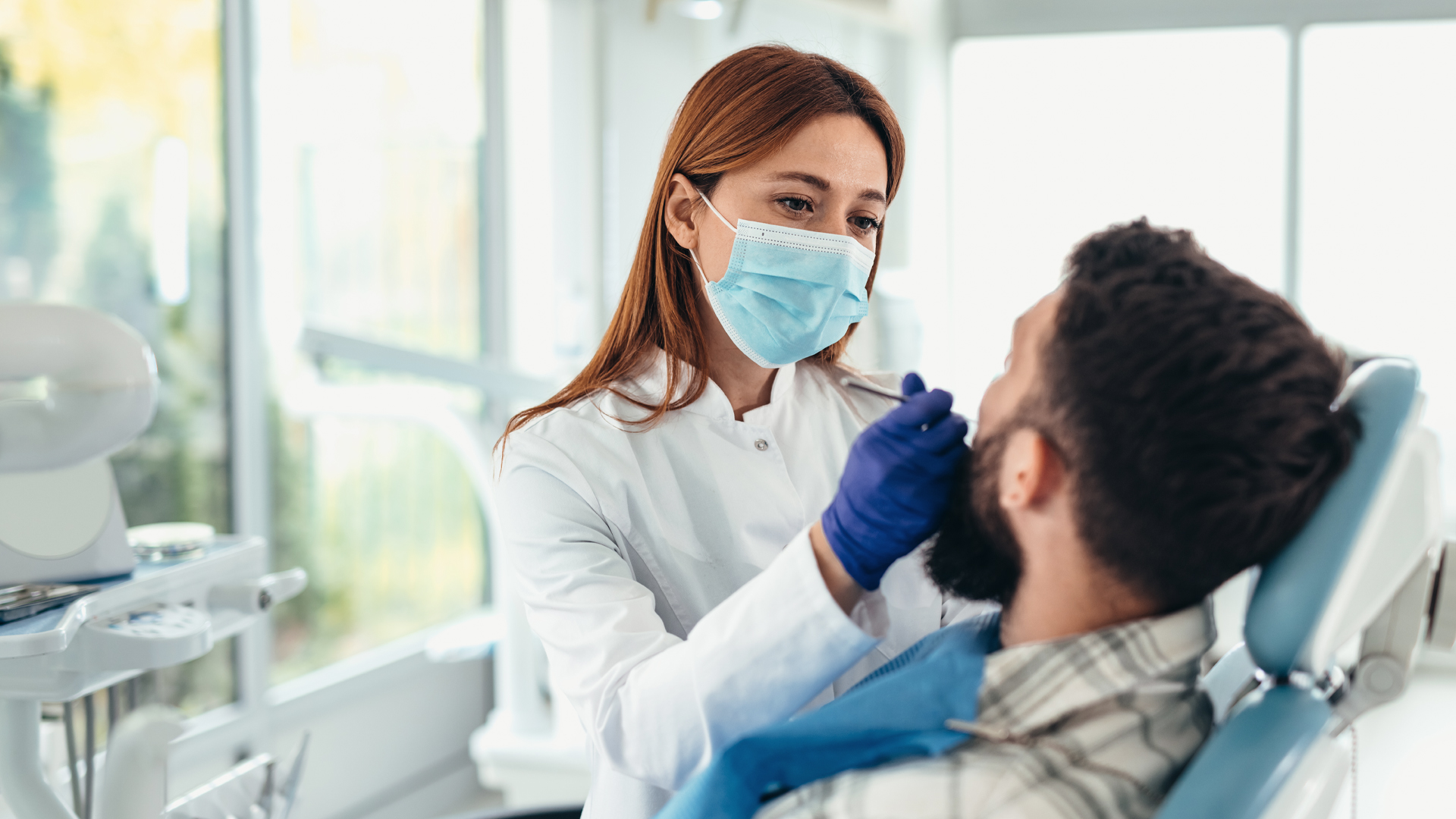
In Switzerland, health insurance rarely covers the cost of treatment by a dentist. An insurance expert explains when basic health insurance will pay and when it is worth taking out supplementary dental insurance. Also, discover the costs that you are likely to incur for the most common dental treatments.

What dental services does basic health insurance cover?
Basic health insurance covers dental costs only in legally stipulated exceptions. You are generally liable for the cost of check-ups, caries treatments, dental hygiene and prostheses.
Basic health insurance covers the costs only in the case of:
- Serious, unavoidable temporomandibular disorders
- Treatments required due to a serious general illness
- An accident, if no other accident insurance is liable
- Certain congenital disorders, if not covered by invalidity insurance.
The Health Insurance Benefits Ordinance stipulates which treatments are covered. Health insurers cannot expand or restrict this legally established list of benefits.
Whether or not the cost is covered by health insurance depends on the diagnosis. In the case of more extensive treatments, your dentist will create a cost proposal and submit it to your health insurer for review.
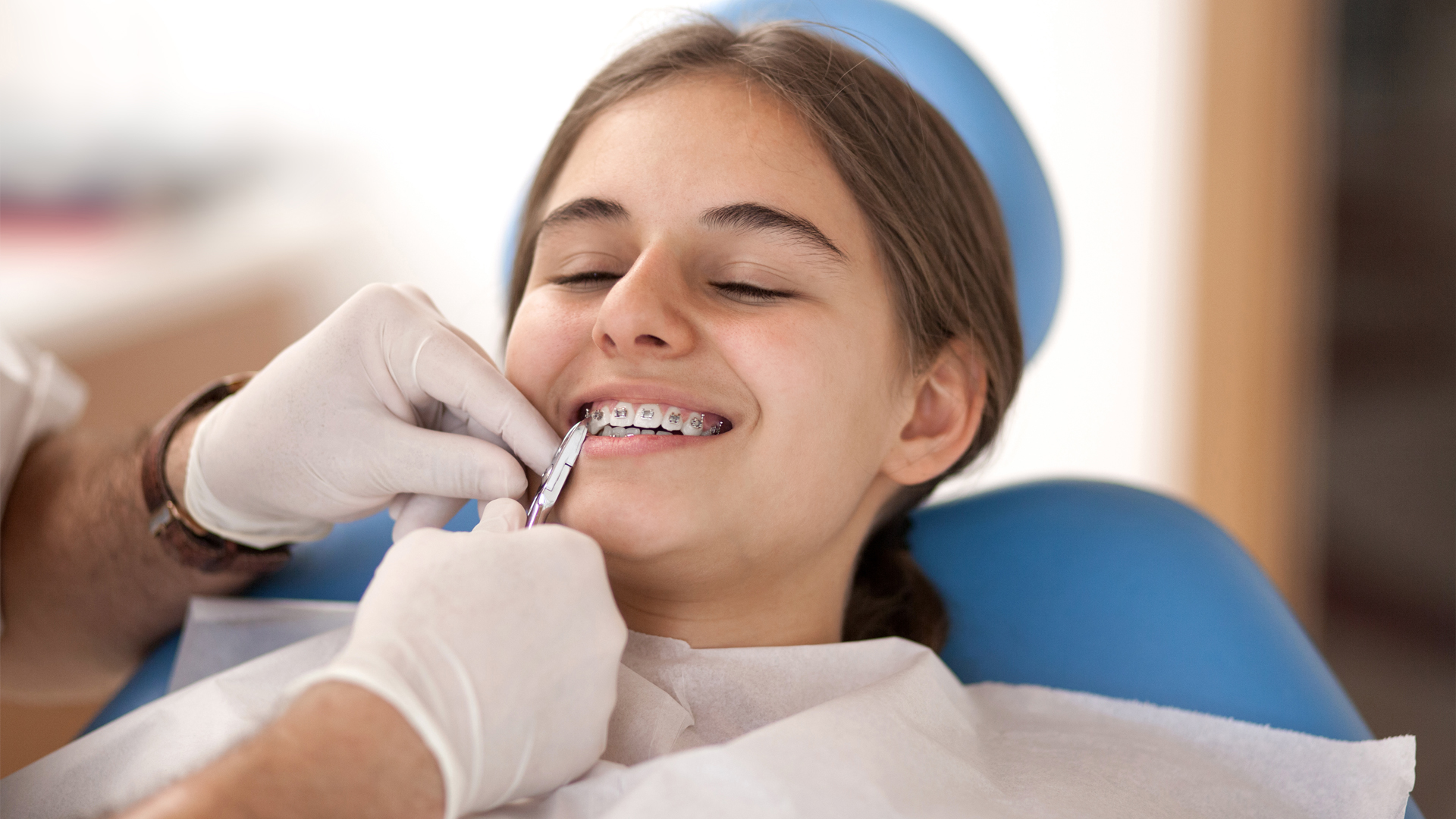
Basic health insurance also covers the cost of braces and other orthodontic treatments only in the aforementioned cases. Normal dental misalignment does not provide sufficient grounds for cost coverage.
What does health insurance cover in the event of dental trauma?
In the event of dental trauma, accident insurance usually covers the cost of the dental treatment as long as the damage to the teeth was caused by a sudden and unintended incident, such as a fall, impact or sports injury.
Tooth decay, age-related damage to the teeth and other dental diseases are not classed as dental trauma. In most cases, damage to the teeth resulting from biting down on a hard object is also not classed as an accident and is therefore not usually covered by accident insurance.
Including or excluding accident insurance
Do you work at least eight hours a week for the same employer? If so, you are insured against occupational and non-occupational accidents by your employer’s accident insurance. As such, your employer should be your first port of call when reporting dental trauma.
If you are not insured against accidents through an employer, you must include accident insurance with your basic health insurance. This applies to children, students, pensioners and the unemployed, for example.
Top tip: report dental trauma as quickly as possible. Have the injury examined and documented even if the tooth does not initially cause you any problems.
Does health insurance cover emergency dental treatments?
The type of insurance that covers the cost of emergency treatment depends on why you need to visit the dentist: if the emergency arises from an accident that is covered by insurance, the accident insurance usually pays. This applies if a tooth is knocked out in a fall, for example.
On the other hand, treatment for acute dental pain due to tooth decay or inflammation is classed as normal dental treatment. You are usually liable for the cost. Supplementary dental insurance may contribute to this depending on the scope of benefits.
Basic health insurance covers the cost of a dental emergency only if a statutory benefit obligation is deemed to exist. This is the case, for example, with certain serious temporomandibular disorders or treatments associated with a serious general illness.
What does supplementary insurance cover?
Supplementary dental insurance covers some of the costs of dental treatment depending on the health insurer and benefit class.
The insured treatment types and the co-payment amount differ depending on the insurance. You should therefore compare the following points in particular prior to taking out insurance:
- Which treatments are insured?
- What percentage of the costs does the insurance cover?
- What is the maximum contribution per calendar year?
- Do waiting periods or age limits apply?
- Is a health check required?
- Is there an excess?
Supplementary dental insurance can protect you against high treatment costs. If your teeth are healthy, you should take out the insurance at an early stage. If dental conditions have already been identified, benefits are often restricted or it may no longer be possible to take out insurance at all.
Supplementary dental insurance from KPT
Depending on the benefit class, supplementary dental insurance from KPT contributes to the cost of treatments that are not covered by basic health insurance. No deductible applies. Eligible treatments include professional dental hygiene, orthodontic measures such as braces, surgical interventions, tooth extractions, implants, prostheses, root canal treatments, fillings, crowns and dentures.
Important: a waiting period applies with supplementary dental insurance. This means that you can only make a claim 6 months after the contract start date, or 12 months in the case of orthodontic treatment, dental prosthetics and dental restorations due to amalgam intolerance.

Supplementary dental insurance – plan ahead now
Protect your teeth early: supplementary dental insurance covers dental prosthesis costs as well as the cost of caries treatments and even braces for children and young people. The earlier you sign up, the more straightforward the acceptance process, especially for young adults.
Does health insurance cover dental treatments abroad?
No, basic health insurance does not cover planned dental treatments performed outside Switzerland. You are generally liable for the cost of treatment by a dentist abroad.
Exception
An exception applies in the case of medically necessary emergency treatments during a temporary stay abroad. In the case of dental trauma, cost coverage depends on your accident cover and the valid legal provisions.
Supplementary dental insurance may cover the cost of dental treatments abroad. Prior to any planned treatment, always consult your health insurer to determine whether and to what extent benefits are covered.
Top tip: when obtaining dental treatment abroad, do not just consider the treatment price. Travel and accommodation costs, follow-up checks, potential corrections, the treatment of complications and treatment errors can all cause additional costs.
How much do dental treatments in Switzerland cost?
The cost of a dental treatment depends on various factors. These particularly include the type of treatment, the amount of work involved, the material(s) used and the tariff point value of the dental practice.
How the price is calculated
All dental services are assigned a certain number of tariff points. The dental practice multiplies this number by its tariff point value.
Number of tariff points × tariff point value = treatment cost
Example: brief initial examination with 33.10 tariff points and a tariff point value of CHF 1.20
Calculation: 33,10 (TP) x CHF 1.2 (TPV) = CHF 39.72
The tariff point value can differ depending on the practice or the tariff agreement. According to the Swiss Dental Association (SSO) it should be no greater than CHF 1.70. Different values, which are stipulated by the authorities, apply to treatments covered by social insurance or basic health insurance. The Swiss Dental Association (SSO) explains how the treatment costs are calculated and which tariffs apply.
Additional costs for materials, labour or external work can also apply. In the case of crowns, bridges and implants, these often account for a large part of the overall cost.
Prices of regular dental treatments
If you would like to know how much dental treatment is likely to cost, the list below provides you with some guidance.
The prices are guide values. The actual costs may differ depending on the practice, region and level of work involved.
- Dental hygiene: 100 to 300 francs
- Dental filling: 150 to 300 francs; large or multi-layer fillings up to 400 francs
- Tooth extraction: 200 to 350 francs; 400 to 700 francs in the case of surgical intervention
- Wisdom tooth extraction: 300 to 800 francs depending on the level of work involved
- X-ray: 20 to 50 francs; 80 to 180 francs for a panoramic scan
- Root canal treatment: 700 to 1,800 francs
- Dental crown: 1,200 to 2,000 francs
- Three-unit dental bridge: 2,500 to 4,500 francs
- Implant with crown: 3,500 to 5,500 francs
In the case of implants, additional interventions such as a bone graft may be required. This increases the overall cost.
Request a written cost proposal prior to major treatments. Ask your dental practice to explain the individual services and the material and follow-up check costs included.
Contact us for advice

Our team is available Monday to Thursday, 8:00 to 12:00 and 13:30 to 17:00, Friday from 08:00 to 12:00 and 13:30 to 16:00. On request, we can also offer you a consultation at a pre-arranged time and date, for example during your lunch break.
Key info
- Basic health insurance covers dental costs only in legally regulated exceptions.
- In Switzerland, you are generally liable for the cost of check-ups, caries treatments, dental hygiene and prostheses.
- Accident insurance is usually responsible for covering the cost of insured dental trauma.
- Supplementary dental insurance can contribute to the cost of treatments, dental hygiene, prostheses and braces.
- The benefits, cost contributions, maximum amounts and waiting periods differ depending on the supplementary insurance policy.
- Request a written cost proposal prior to any extensive treatment.
Frequently asked questions

Aline Buchser is a specialist with the Benefits Management team at KPT and dedicates her expertise to the professional handling of benefits enquiries. She coordinates regulatory amendments, monitors their implementation and represents KPT on various expert committees – always in the interests of the modern and reliable benefit processing.
More articles on this topic

Take out supplementary insurance: what to bear in mind
Supplementary insurance closes vital gaps in your basic health cover, offering you greater peace of mind and enhanced benefits, such as contributions towards prescription glasses, dental treatments and more. Read on to discover what to bear in mind when taking out supplementary health insurance.
How much do health insurers contribute towards braces?
The cost of braces in Switzerland can soon run to more than 10,000 francs. However, basic health insurance contributes towards this amount only in exceptional cases. By taking out suitable supplementary insurance in good time, you can receive help towards this significant outlay.

Guide to dental prostheses: options and costs
Dentist Prof. Nicola U. Zitzmann explains restorative dentistry and when prostheses such as crowns, bridges, implants or dentures are required. You will also learn how a supplementary dental insurance policy can help you avoid paying the full costs of restorative dental work yourself as dental costs are not generally covered under basic health insurance in Switzerland.

Dental cleaning: how much does it cost and what does health insurance cover?
The cost of dental cleaning in Switzerland varies depending on the provider, location and the patient’s individual needs. Basic health insurance does not usually cover the cost of professional dental hygiene treatment.

Which supplementary insurance for children is right for our family?
Basic health insurance can be supplemented in several ways; for example, with dental insurance or flexible hospital insurance. But which plans should you choose? Read on to discover the types of supplementary insurance available and the benefits they provide.
